Federal Reserve Rate Hikes: Mortgage Impact Explained
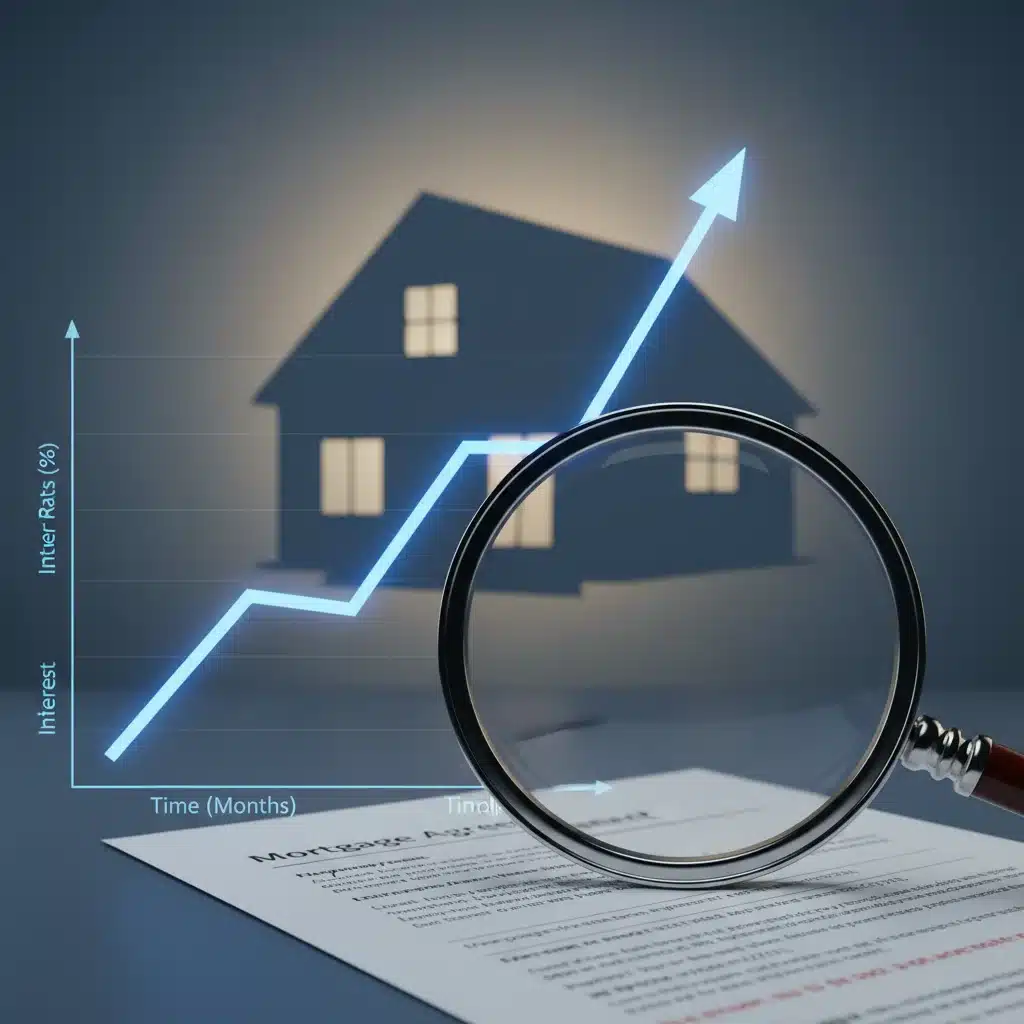
The financial world is constantly in motion, and few entities wield as much influence over its direction as the Federal Reserve. When the Fed moves, the entire economy feels the ripple effect, and perhaps nowhere is this more acutely felt than in the housing market, specifically through mortgage rates. Recent Federal Reserve interest rate hikes have been a significant topic of discussion, with a cumulative increase of 2.5% sending shockwaves through homeowners and prospective buyers alike. Understanding the nuances of these changes is crucial for navigating your financial future.
For many, a mortgage represents the largest financial commitment of their lives. It’s a long-term agreement, and even small shifts in interest rates can translate into substantial differences in monthly payments and overall costs. The recent 2.5% increase by the Federal Reserve is far from a minor adjustment; it’s a significant recalibration that demands attention and careful planning.
This comprehensive guide aims to demystify the Federal Reserve’s actions, explain the mechanics of how these rate hikes impact your mortgage, and provide actionable strategies to help you adapt. Whether you’re a current homeowner with a variable-rate mortgage, considering refinancing, or a first-time homebuyer, the information presented here will be invaluable for making informed decisions in an evolving economic landscape.
Understanding the Federal Reserve’s Role in Interest Rates
Before diving into the specifics of mortgage rate impact, it’s essential to grasp the Federal Reserve’s fundamental role. The Fed, as it’s commonly known, is the central banking system of the United States. Its primary mandates include maximizing employment, stabilizing prices (controlling inflation), and moderating long-term interest rates. To achieve these goals, the Fed employs various monetary policy tools, with adjusting the federal funds rate being one of the most prominent.
The Federal Funds Rate: The Baseline
The federal funds rate is the target interest rate set by the Federal Open Market Committee (FOMC) for overnight borrowing between banks. While not a direct consumer rate, it serves as a critical benchmark that influences a wide array of other interest rates throughout the economy, including those for mortgages, car loans, and credit cards. When the Fed raises the federal funds rate, it essentially makes it more expensive for banks to borrow money, and these increased costs are then passed on to consumers.
Why the Fed Raises Rates: Combating Inflation
The recent series of interest rate hikes by the Federal Reserve has been primarily driven by a need to combat stubbornly high inflation. When the economy is growing rapidly and consumer demand outstrips supply, prices tend to rise. By making borrowing more expensive, the Fed aims to cool down economic activity, reduce demand, and ultimately bring inflation back down to its target rate, typically around 2%.
However, this balancing act is delicate. Raising rates too aggressively can stifle economic growth and even trigger a recession. The Fed’s decisions are therefore carefully considered, based on a vast array of economic data, projections, and global factors. The cumulative 2.5% increase is a testament to the Fed’s commitment to reining in inflation, even if it means tightening financial conditions for consumers.
Direct Impact of a 2.5% Rate Hike on Your Mortgage
Now, let’s get to the core of the matter: how does a 2.5% increase in the federal funds rate translate to your mortgage? The connection isn’t always one-to-one, but the direction is clear: higher federal rates generally lead to higher mortgage rates. The specific impact depends heavily on the type of mortgage you have or are considering.
Adjustable-Rate Mortgages (ARMs): Immediate Repercussions
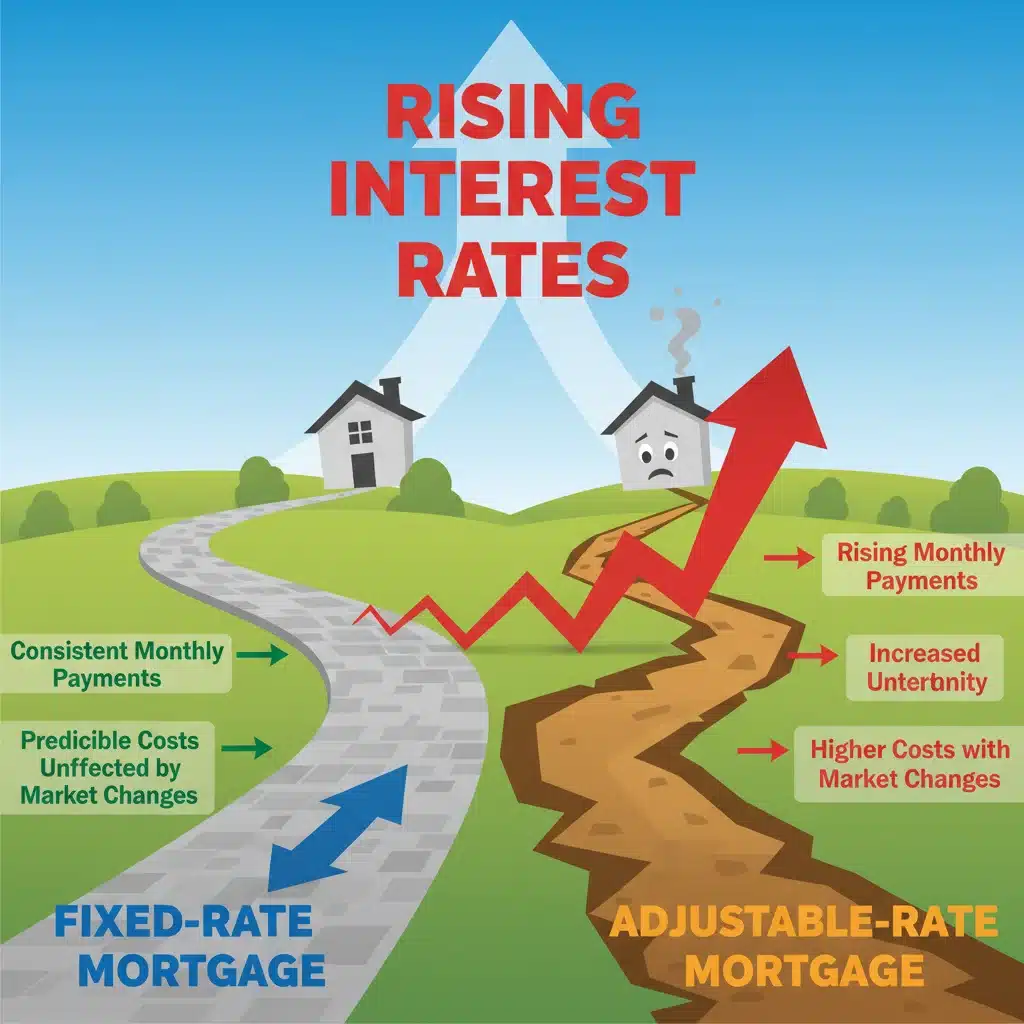
If you have an adjustable-rate mortgage (ARM), you are likely already feeling the effects of the Federal Reserve’s rate hikes. ARMs feature an interest rate that can change periodically based on a chosen index, often tied to the federal funds rate or other short-term rates. When the Fed raises rates, the index typically follows suit, leading to an increase in your mortgage interest rate and, consequently, your monthly payments.
A 2.5% increase by the Fed could mean that your ARM’s interest rate has climbed by a similar margin, or even more, depending on your specific loan terms and the index it’s tied to. For example, if you had an ARM with an initial rate of 3.5% and the index it tracks increased by 2.5%, your new rate could be 6.0% or higher. This jump can significantly impact your household budget, potentially adding hundreds of dollars to your monthly payment.
Fixed-Rate Mortgages: The Shield Against Fluctuations
Homeowners with fixed-rate mortgages are largely insulated from the immediate impact of the Fed’s rate hikes. The beauty of a fixed-rate mortgage is that your interest rate, and therefore your monthly principal and interest payment, remains constant for the entire life of the loan, regardless of what the Federal Reserve does. If you secured a fixed-rate mortgage before the recent hikes, you’re in a relatively strong position, enjoying the lower rates that were prevalent at the time.
However, even fixed-rate mortgage holders aren’t entirely immune. If you’re considering refinancing your existing fixed-rate mortgage, you will now encounter significantly higher rates than before the Fed’s actions. What might have been a beneficial refinancing opportunity a year ago might now be cost-prohibitive. Similarly, if you plan to sell your current home and purchase a new one, your next mortgage will be subject to the higher prevailing rates.
Prospective Homebuyers: A More Challenging Landscape
For prospective homebuyers, the 2.5% increase in the federal funds rate translates directly into a more challenging and expensive housing market. Lenders adjust their mortgage offerings in response to the Fed’s actions, meaning that new fixed-rate mortgages are now considerably higher than they were prior to the hikes. This higher interest rate directly impacts your borrowing power and the affordability of homes.
Consider this: a 2.5% increase on a $300,000 mortgage can add hundreds of dollars to your monthly payment. Over the life of a 30-year mortgage, this can amount to tens of thousands of dollars in additional interest paid. This not only makes homeownership more expensive but also reduces the amount of home you can afford for the same monthly payment, forcing some buyers to adjust their expectations or delay their purchase.
The impact for homebuyers is multifaceted: higher monthly payments, reduced affordability, and potentially increased competition for the homes that remain within their budget, as inventory might not keep pace with demand if some sellers decide to hold off.

Secondary Effects on the Housing Market
Beyond the direct impact on individual mortgages, the Federal Reserve’s rate hikes have broader implications for the entire housing market. These secondary effects can influence home prices, inventory, and overall market dynamics.
Cooling Home Price Appreciation
One of the Fed’s intentions in raising rates is to cool down an overheated economy, and this often includes the housing market. Higher mortgage rates reduce buyer demand, as fewer people can afford to purchase homes or qualify for loans. This decrease in demand can lead to a slowdown in home price appreciation, and in some markets, even price declines. After years of rapid price increases, the housing market is now experiencing a necessary correction, driven in part by these higher borrowing costs.
Impact on Inventory and Supply
The supply side of the housing market can also be affected. Some existing homeowners with low fixed-rate mortgages might be less inclined to sell their current homes if it means taking on a new, much higher-rate mortgage for a new purchase. This ‘lock-in’ effect can contribute to lower inventory levels, creating a complex dynamic where demand is down, but supply might also be constrained, preventing significant price drops in some areas.
Refinancing Market Shrinks
The refinancing boom of recent years, fueled by historically low interest rates, has largely come to an end. With current mortgage rates significantly higher, very few homeowners will find it advantageous to refinance their existing loans. This impacts lenders who relied heavily on refinancing volume, potentially leading to adjustments in their business models and offerings.
Strategies for Navigating Higher Mortgage Rates
While the prospect of higher mortgage rates can be daunting, there are several strategies homeowners and prospective buyers can employ to mitigate the impact and make informed financial decisions.
For Current Homeowners with ARMs:
- Review Your Loan Terms: Understand how often your rate adjusts, what index it’s tied to, and what your caps are (the maximum your rate can increase in a single adjustment period and over the life of the loan).
- Consider Refinancing to a Fixed Rate (if feasible): Even though rates are higher, if your ARM is set to adjust significantly, it might still be beneficial to lock in a fixed rate, especially if you plan to stay in your home for a long time. Compare your potential new fixed rate with your ARM’s future adjusted rate.
- Increase Payments: If possible, consider making extra principal payments to reduce your loan balance. This will lessen the impact of future rate adjustments on your overall interest paid.
- Budget Accordingly: Re-evaluate your household budget to accommodate potentially higher mortgage payments. Cut discretionary spending where necessary to ensure you can comfortably meet your obligations.
For Prospective Homebuyers:
- Save for a Larger Down Payment: A larger down payment reduces the amount you need to borrow, thereby lessening the impact of higher interest rates on your monthly payment and total interest paid.
- Improve Your Credit Score: A higher credit score can qualify you for the best available interest rates, even in a rising rate environment. Pay down debt, make payments on time, and avoid opening new credit lines.
- Explore Different Loan Types: While fixed-rate mortgages are popular, explore other options like FHA, VA, or USDA loans if you qualify, as they might offer more favorable terms or lower down payment requirements. However, be cautious with ARMs unless you have a very short-term plan for the home.
- Be Flexible with Your Home Search: You might need to adjust your expectations regarding home size, location, or features to find something within your new affordability range.
- Get Pre-Approved: A pre-approval gives you a clear understanding of what you can afford and shows sellers you are a serious buyer. It also locks in an interest rate for a certain period, protecting you from further short-term increases.
For All Homeowners:
- Consult a Financial Advisor: A professional can help you assess your unique financial situation and provide personalized advice on how to navigate the current interest rate environment.
- Monitor Economic News: Stay informed about the Federal Reserve’s future meetings and announcements. While predicting specific rate movements is difficult, understanding the Fed’s stance can help you anticipate future changes.
- Don’t Panic: Economic cycles are normal. While higher rates present challenges, they also bring balance to the market. Focus on sound financial planning rather than reacting impulsively.
The Broader Economic Context: Why These Hikes Matter
The Federal Reserve’s decision to implement a 2.5% cumulative interest rate hike isn’t just about mortgages; it’s a strategic move to restore economic stability. The goal is to curb inflation, which erodes purchasing power and can lead to broader economic instability. While the immediate effects on the housing market and mortgage rates are significant, the Fed believes these measures are necessary for long-term economic health.
High inflation can be particularly damaging, especially for those on fixed incomes or with limited financial resources. By making borrowing more expensive, the Fed hopes to slow down consumer spending and business investment, thereby reducing the upward pressure on prices. This process, while sometimes painful in the short term, is intended to create a more sustainable economic environment in the future.
It’s also important to recognize that the housing market, while a significant component, is just one piece of the economic puzzle. The Fed considers a multitude of factors, including employment data, wage growth, global economic conditions, and geopolitical events, when making its decisions. The 2.5% increase reflects a period of significant economic adjustment and a strong commitment to price stability.
Looking Ahead: What to Expect
Predicting the future path of interest rates is challenging, as it depends on how the economy responds to the current tightening measures. The Federal Reserve has indicated that it will remain data-dependent, meaning future decisions will be based on incoming economic indicators, particularly inflation and employment figures.
It’s plausible that we may see further, albeit smaller, rate hikes if inflation remains stubbornly high. Conversely, if inflation shows clear signs of receding and the economy begins to slow too much, the Fed might pause its rate increases or even consider cuts in the distant future. The key takeaway is that volatility and uncertainty are likely to persist, making proactive financial planning even more critical.
For homeowners and prospective buyers, this means staying informed, regularly reviewing your financial situation, and being prepared to adapt. The era of ultra-low mortgage rates appears to be behind us for the foreseeable future, necessitating a shift in strategy for anyone involved in the housing market.
Conclusion: Adapting to a New Mortgage Landscape
The Federal Reserve interest rate hikes, culminating in a 2.5% increase, have undeniably reshaped the mortgage landscape. For adjustable-rate mortgage holders, this means higher monthly payments. For prospective buyers, it signifies reduced affordability and a more competitive environment. And for all, it underscores the importance of understanding monetary policy and its far-reaching consequences.
While these changes present challenges, they are not insurmountable. By understanding the mechanics of interest rate adjustments, assessing your personal financial situation, and implementing strategic planning, you can navigate this new environment effectively. Whether it’s through careful budgeting, exploring different loan options, or seeking professional financial advice, taking proactive steps now will position you for greater financial resilience in the face of evolving economic conditions.
The housing market and the broader economy are dynamic systems. The Federal Reserve’s actions are a powerful mechanism to guide these systems towards stability. By staying informed and making thoughtful decisions, you can ensure that your mortgage and your financial well-being remain secure, even as the interest rate tides continue to shift.
Author