Navigating 2026 STEM Education Pathways: Practical Solutions for U.S. Students

The landscape of education and career opportunities is evolving at an unprecedented pace, with Science, Technology, Engineering, and Mathematics (STEM) fields leading the charge. For U.S. students looking ahead to 2026, understanding and navigating these crucial STEM Education Pathways is not just advantageous; it’s imperative. The demand for skilled STEM professionals continues to outstrip supply, creating a golden opportunity for those who are prepared. This comprehensive guide will delve into practical solutions, strategies, and resources to help students, educators, and policymakers ensure access to these high-growth fields, fostering a robust and innovative future for the nation.
The United States faces a critical juncture. While technological advancements are accelerating, a significant portion of the student population remains underserved or unaware of the vast potential within STEM. Bridging this gap requires a multifaceted approach, addressing everything from early childhood exposure to advanced collegiate and vocational training. Our focus is on actionable steps that can be implemented now to yield substantial results by 2026, ensuring that American students are not just participants, but leaders in the global STEM arena.
Understanding the 2026 STEM Landscape: Why It Matters Now
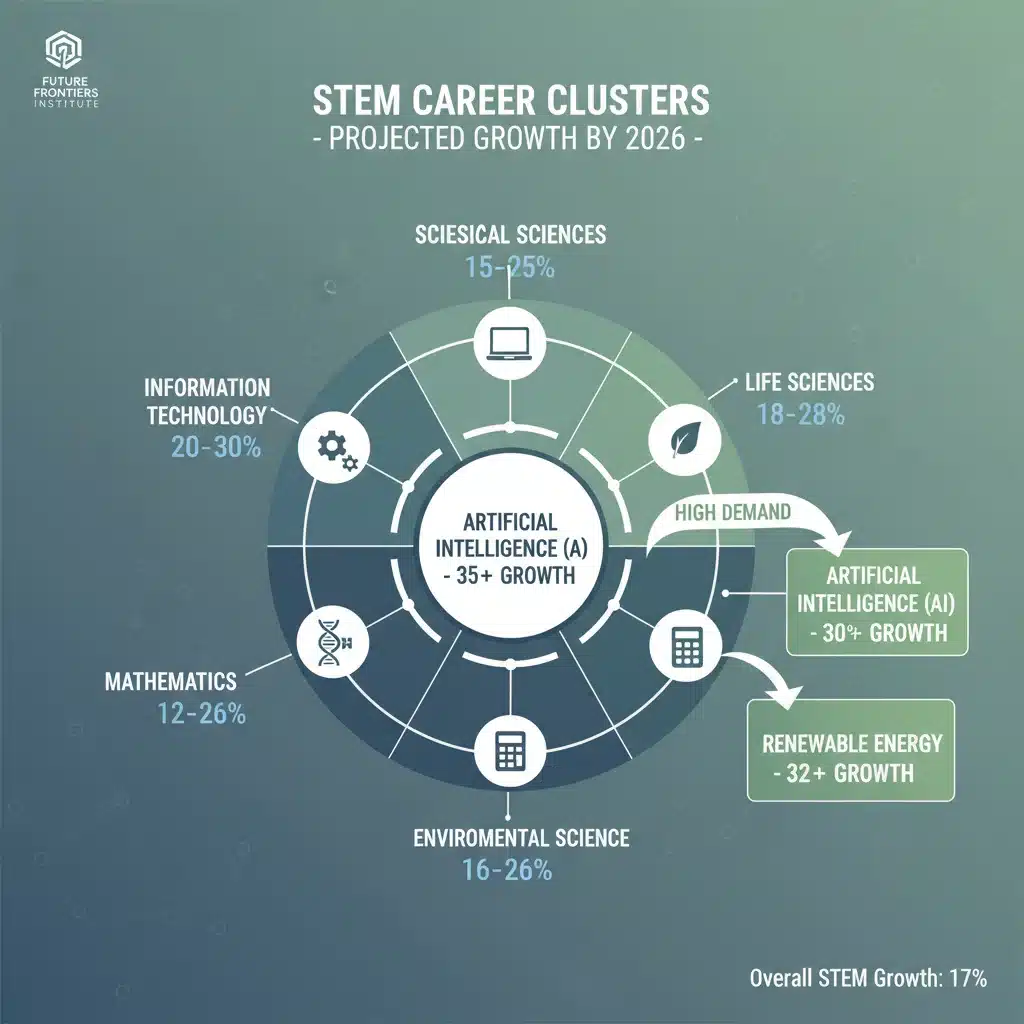
Before diving into solutions, it’s crucial to grasp the current and projected state of STEM. By 2026, the Bureau of Labor Statistics (BLS) projects significant growth in STEM occupations, far outpacing the average for all occupations. Fields like data science, artificial intelligence, cybersecurity, biotechnology, and renewable energy are not just buzzwords; they represent millions of high-paying, impactful jobs. However, access to the education and training required for these roles is unevenly distributed across socioeconomic lines and geographic regions.
The importance of robust STEM Education Pathways extends beyond individual career success. A strong STEM workforce is fundamental to national security, economic competitiveness, and solving humanity’s most pressing challenges, from climate change to public health crises. Therefore, preparing U.S. students for these roles is a national imperative, demanding concerted effort from all stakeholders. Understanding these trends allows us to tailor educational strategies that are relevant, forward-looking, and effective.
Key Growth Areas in STEM by 2026:
- Artificial Intelligence & Machine Learning: The demand for AI engineers, machine learning scientists, and data ethicists will skyrocket as AI integrates into every industry.
- Cybersecurity: With increasing digital threats, cybersecurity analysts, architects, and ethical hackers will be more critical than ever.
- Biotechnology & Biomedical Engineering: Advances in gene editing, personalized medicine, and medical devices will drive significant growth.
- Renewable Energy & Green Technologies: The global shift towards sustainable energy will create numerous opportunities in engineering, research, and infrastructure development.
- Data Science & Analytics: The ability to extract insights from vast datasets will remain a cornerstone across business, science, and government.
These areas highlight where investment in educational infrastructure and curriculum development should be prioritized. Focusing on these high-growth sectors within STEM Education Pathways ensures that students are prepared for the jobs of tomorrow, not just today.
Early Engagement: Building Foundational STEM Skills
The journey into STEM often begins long before college. Early exposure to STEM concepts, even in playful and engaging ways, can ignite curiosity and build foundational skills critical for later success. Unfortunately, many elementary and middle schools lack the resources, trained teachers, or curriculum to provide meaningful STEM experiences. This is where practical solutions must begin.
Practical Solutions for Early Engagement:
- Integrated STEM Curriculum in K-8: Instead of treating STEM subjects in isolation, schools should adopt an integrated approach where science, technology, engineering, and math concepts are taught together through project-based learning. For instance, a lesson on simple machines could involve designing and building a small crane, incorporating physics, technology tools, and mathematical calculations.
- Teacher Training & Professional Development: Many K-8 teachers may not have a strong STEM background. Investing in ongoing professional development programs that equip teachers with the skills and confidence to teach STEM effectively is paramount. This includes training on inquiry-based learning, coding basics, and using educational technology.
- Community-Based STEM Programs: Partnerships with local science museums, universities, and industry can provide invaluable out-of-school STEM experiences. After-school clubs, summer camps, and weekend workshops can expose younger students to robotics, coding, environmental science, and more, often led by passionate mentors.
- Parental Involvement & Resources: Educating parents about the importance of STEM and providing them with resources to foster STEM learning at home (e.g., educational apps, science kits, recommended books) can significantly amplify early engagement efforts.
These early interventions are crucial for broadening the talent pipeline into STEM Education Pathways. They help demystify STEM, making it accessible and exciting for all children, regardless of their background.
Bridging the Gap: High School STEM Readiness for 2026
High school is a critical juncture where students make decisions that profoundly impact their future educational and career trajectories. Ensuring that high school students are not only aware of but also adequately prepared for advanced STEM Education Pathways is essential. This involves robust curriculum offerings, access to advanced placement, and opportunities for real-world application.
Key Strategies for High School STEM Readiness:
- Expand Access to Advanced STEM Courses: Many high schools, particularly in underserved areas, lack sufficient AP/IB STEM courses or dual enrollment programs with local colleges. States and districts should incentivize and fund the expansion of these offerings, ensuring all students have the opportunity to challenge themselves.
- Vocational and Technical STEM Programs: Not all STEM pathways require a four-year university degree. High-quality vocational and technical education (CTE) programs in fields like advanced manufacturing, computer networking, medical assisting, and sustainable agriculture can provide direct routes to in-demand jobs. These programs often combine academic learning with hands-on, practical training.
- Mentorship and Internship Opportunities: Connecting high school students with STEM professionals through mentorship programs or offering summer internships allows them to gain practical experience, explore career options, and build professional networks. Companies and government agencies can play a significant role here.
- Counselor Training on STEM Pathways: School counselors are vital guides for students, yet many may not be fully informed about the breadth of modern STEM careers or the evolving requirements for higher education. Comprehensive training for counselors on emerging STEM fields and diverse educational routes is critical.
- Project-Based Learning & Competitions: Engaging students in hands-on projects, science fairs, robotics competitions, and coding challenges fosters critical thinking, problem-solving, and teamwork – skills highly valued in STEM.
By focusing on these areas, high schools can become powerful launchpads for students entering diverse STEM Education Pathways, whether they choose a university, community college, or vocational training after graduation.
Higher Education and Beyond: Sustaining the STEM Pipeline
The journey through STEM Education Pathways doesn’t end after high school. Universities, community colleges, and vocational schools play a pivotal role in refining skills, fostering specialization, and preparing students for the workforce. However, challenges persist, including retention rates in STEM majors, affordability, and ensuring curricula remain aligned with industry needs.
Enhancing Higher Education STEM Access and Success:
- Affordability and Financial Aid: The rising cost of higher education is a significant barrier. Expanding scholarships, grants, and loan forgiveness programs specifically for STEM majors can alleviate financial burdens and encourage more students to pursue these fields. Targeted aid for underrepresented groups is particularly important.
- Curriculum Modernization: University and college STEM curricula must be continuously updated to reflect the latest industry advancements. This involves incorporating emerging technologies (e.g., quantum computing, bioinformatics, advanced materials science) and emphasizing interdisciplinary approaches.
- Experiential Learning Opportunities: Internships, co-op programs, research opportunities, and capstone projects are invaluable. They provide students with real-world experience, connect classroom learning to practical applications, and often lead directly to employment.
- Support Services for Retention: STEM fields can be challenging. Universities need to offer robust support services, including tutoring, mentorship programs, academic advising, and mental health resources, to help students navigate rigorous coursework and persist in their majors.
- Community College Pathways: Community colleges are often more accessible and affordable entry points into STEM. Strengthening articulation agreements between community colleges and four-year universities ensures seamless transfer pathways for students pursuing bachelor’s degrees. Developing robust associate’s degree programs that lead directly to high-demand technical jobs is also crucial.
- Industry Partnerships: Closer collaboration between academia and industry can ensure that graduates possess the skills employers need. This can involve industry-sponsored research, guest lecturers from companies, joint curriculum development, and creating pipelines for internships and full-time employment.
These strategies are vital for not only attracting students to STEM Education Pathways but also for ensuring their success and retention through graduation and into their careers.
Addressing Equity and Inclusion in STEM
For the U.S. to fully capitalize on its talent pool, it must address the persistent disparities in STEM representation. Women, minorities, and individuals from low-income backgrounds are significantly underrepresented in many STEM fields. Creating truly accessible STEM Education Pathways requires intentional efforts to promote equity and inclusion.
Strategies for Diversity and Inclusion:
- Early Intervention and Role Models: Exposing underrepresented groups to STEM early and providing diverse role models can challenge stereotypes and inspire interest. Programs that bring STEM professionals from diverse backgrounds into classrooms are highly effective.
- Inclusive Teaching Practices: Educators at all levels should adopt inclusive teaching methods that cater to diverse learning styles and cultural backgrounds. This involves creating welcoming classroom environments and using culturally relevant examples.
- Bias Training for Educators and Admissions Staff: Unconscious biases can inadvertently deter students from pursuing STEM. Training for educators, counselors, and university admissions staff on recognizing and mitigating bias is essential.
- Targeted Outreach and Scholarships: Developing specific outreach programs and providing scholarships for underrepresented minority students and women in STEM can significantly increase their participation.
- Support Networks: Creating peer support groups, mentorship programs, and professional organizations for diverse STEM students and professionals can foster a sense of belonging and aid in retention.
By actively working to dismantle barriers and create inclusive environments, we can ensure that STEM Education Pathways are open and welcoming to all, harnessing the full potential of every American student.
The Role of Policy and Funding in Shaping STEM Futures
While individual efforts are important, systemic change requires supportive policies and adequate funding at local, state, and federal levels. Government initiatives can create the framework necessary for sustainable growth in STEM Education Pathways.
Policy Recommendations for 2026 and Beyond:
- Increased Federal and State Funding for STEM Education: This includes funding for teacher professional development, K-12 STEM curriculum development, educational technology, and grants for universities and community colleges to expand STEM programs.
- Incentives for STEM Educators: Attracting and retaining high-quality STEM teachers is critical. Policies could include loan forgiveness for STEM teachers, scholarships for those pursuing STEM education degrees, and competitive salaries.
- National STEM Strategy: A cohesive national strategy that aligns K-12, higher education, and workforce development efforts can ensure a coordinated approach to strengthening STEM Education Pathways.
- Data Collection and Reporting: Mandating better data collection on STEM participation, retention, and graduation rates disaggregated by demographics can help identify gaps and measure the effectiveness of interventions.
- Public-Private Partnerships: Government can facilitate stronger partnerships between educational institutions and private industry, encouraging companies to invest in STEM education through funding, internships, and curriculum input.
- Broadband Access for All: In an increasingly digital world, reliable internet access is fundamental for educational equity. Policies aimed at closing the digital divide, especially in rural and low-income areas, are crucial for accessing online STEM resources and learning.
These policy interventions can create a fertile ground for STEM Education Pathways to flourish, ensuring that the U.S. remains a global leader in innovation and scientific discovery.

Navigating the Future: Resources and Tools for Students
For students themselves, knowing where to find resources and how to prepare is key. The digital age provides an abundance of tools, but knowing which ones are effective can be overwhelming. Here are some practical resources and tools to aid in navigating STEM Education Pathways:
Essential Resources for Students:
- Online Learning Platforms: Websites like Coursera, edX, Khan Academy, and Codecademy offer free and paid courses in various STEM subjects, allowing students to explore interests and develop skills at their own pace.
- STEM Career Exploration Tools: Websites from organizations like the National Science Foundation (NSF), NASA, and the Department of Labor provide detailed information on STEM careers, including job outlook, required education, and salary expectations.
- Coding Bootcamps and Workshops: For those interested in technology, coding bootcamps (both in-person and online) offer intensive training in programming languages and software development, often with strong career placement services.
- Student Organizations and Clubs: Joining school or community STEM clubs (e.g., Robotics Club, Mathletes, Science Olympiad) provides opportunities for hands-on learning, teamwork, and peer mentorship.
- Virtual Reality (VR) and Augmented Reality (AR) Learning: Emerging VR/AR applications are making complex STEM concepts more interactive and understandable, offering immersive learning experiences in fields like anatomy, engineering design, and chemistry.
- Scholarship Databases: Websites like Fastweb, Scholarships.com, and specific university financial aid pages list numerous scholarships available for STEM students.
Empowering students with these resources allows them to take ownership of their educational journey and actively pursue their interests within STEM Education Pathways.
Conclusion: Charting a Course for STEM Success by 2026
The year 2026 is just around the corner, and the window of opportunity to strengthen U.S. STEM Education Pathways is now. By implementing practical solutions focused on early engagement, high school readiness, enhanced higher education, equity, and supportive policies, we can ensure that American students are well-prepared for the high-growth STEM fields of the future.
This endeavor requires a collective commitment from educators, parents, policymakers, industry leaders, and students themselves. The benefits are immense: a skilled workforce driving innovation, a robust economy, and a society equipped to tackle the challenges of tomorrow. Let us work together to build a future where every U.S. student has the opportunity to thrive in STEM and contribute to a brighter world.
Author