In a move that has sent ripples across the financial world, the US Treasury Department has officially issued new, comprehensive digital asset guidance slated for implementation in Q3 2026. This landmark announcement is poised to profoundly impact an estimated 1.2 million investors nationwide, fundamentally reshaping how digital assets are perceived, managed, and regulated within the United States. The implications extend far beyond mere compliance, touching upon market stability, investor protection, and the future trajectory of digital finance. Understanding this new digital asset guidance is not just crucial; it’s imperative for anyone involved in or considering entering the digital asset space.
For years, the burgeoning digital asset market has operated under a patchwork of regulations, often leading to uncertainty and a fragmented legal landscape. This new guidance from the US Treasury aims to bring much-needed clarity and a unified approach, establishing a robust framework that addresses the evolving complexities of cryptocurrencies, NFTs, stablecoins, and other blockchain-based innovations. As we delve deeper into the specifics, it becomes clear that this isn’t just an update; it’s a recalibration of the entire regulatory ecosystem for digital assets.
The Genesis of New Digital Asset Guidance: Why Now?
The timing of this new digital asset guidance is no coincidence. The digital asset market has matured significantly, attracting a vast number of retail and institutional investors. With this growth comes an increased need for investor protection, systemic risk mitigation, and a clear tax framework. The US Treasury Department, in collaboration with other federal agencies, has been actively monitoring these developments, recognizing the necessity for a proactive rather than reactive regulatory stance. The past few years have seen unprecedented volatility, high-profile bankruptcies, and instances of illicit activities within the digital asset sector, all of which have underscored the urgency for robust oversight.
Furthermore, the global financial landscape is increasingly interconnected. International bodies and individual nations are also developing their own regulatory frameworks for digital assets. The US Treasury’s move can be seen as an effort to align domestic policies with international standards, ensuring that the United States remains a leader in financial innovation while safeguarding its financial system. This comprehensive digital asset guidance seeks to strike a delicate balance between fostering innovation and mitigating potential risks, a challenge that has long plagued regulators worldwide.
Key Pillars of the Q3 2026 Digital Asset Guidance
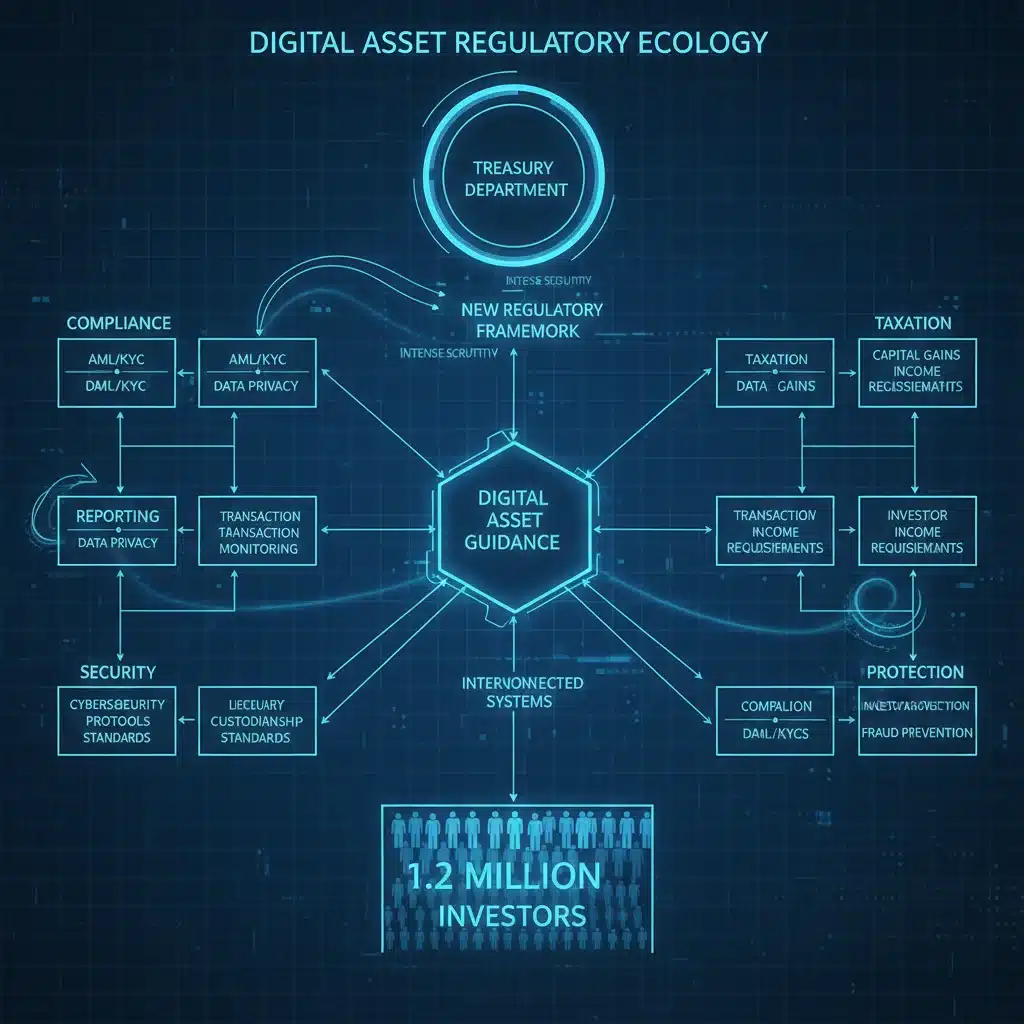
While the full text of the guidance is extensive, several key pillars stand out, offering a glimpse into the Treasury’s strategic vision:
- Enhanced Consumer Protection: A primary focus is on safeguarding investors from fraud, manipulation, and market volatility. This includes stricter disclosure requirements for digital asset platforms and clearer guidelines on asset custody.
- Anti-Money Laundering (AML) and Counter-Terrorist Financing (CTF): The guidance strengthens existing AML/CTF protocols, extending their reach to cover a broader spectrum of digital asset transactions and entities. This aims to curb the use of digital assets for illicit purposes.
- Taxation Clarity: The Treasury seeks to provide unambiguous rules for the taxation of digital asset transactions, addressing ambiguities that have historically complicated tax reporting for investors.
- Interoperability and Standardization: Efforts are being made to promote greater interoperability between traditional financial systems and the digital asset ecosystem, alongside encouraging industry-wide standards for security and transparency.
- Stablecoin Regulation: Given their growing prominence, stablecoins receive particular attention, with new rules designed to ensure their stability and mitigate systemic risks.
Each of these pillars represents a significant step towards a more regulated and transparent digital asset environment. The collective impact of this digital asset guidance is expected to be transformative, requiring substantial adjustments from market participants.
Impact on 1.2 Million Investors: What to Expect
The estimated 1.2 million investors directly affected by this new digital asset guidance will need to pay close attention to the specifics. These changes will likely manifest in several ways:
- Increased Reporting Requirements: Investors may face more stringent reporting obligations for their digital asset holdings and transactions, particularly for tax purposes. This could necessitate better record-keeping and potentially new software tools for compliance.
- Changes in Platform Operations: Digital asset exchanges, brokers, and custodians will need to adapt their operations to meet the new regulatory standards. This might lead to changes in user agreements, verification processes, and transaction procedures. Investors should be prepared for these operational shifts.
- Greater Market Transparency: While potentially leading to more administrative burden, the increased transparency is designed to foster a healthier and more predictable market. This could reduce instances of market manipulation and enhance investor confidence over the long term.
- Potential for New Financial Products: With clearer regulatory boundaries, there might be an accelerated development and adoption of regulated digital asset financial products, such as ETFs or mutual funds, offering new avenues for investment.
- Enhanced Security Measures: Platforms will likely implement more robust security measures to comply with the new guidance, which ultimately benefits investors by reducing the risk of hacks and theft.
It’s important for investors to begin reviewing their current digital asset portfolios and strategies in light of this impending guidance. Seeking advice from financial and legal professionals specializing in digital assets will be crucial for navigating these changes effectively.

Navigating the New Regulatory Landscape: A Guide for Investors
For the 1.2 million investors impacted by the US Treasury’s new digital asset guidance, proactive preparation is key. The Q3 2026 deadline might seem distant, but the complexities involved in adapting to new regulations warrant immediate attention. Here’s a detailed guide to help navigate this evolving landscape:
1. Understand the Specifics of the Digital Asset Guidance
The first step is to thoroughly understand the new rules. While this article provides an overview, investors should consult official Treasury publications and detailed analyses from reputable financial and legal experts. Pay particular attention to how the guidance defines different types of digital assets, as classifications can have significant implications for tax treatment and reporting. Understanding the nuances of the digital asset guidance will empower you to make informed decisions.
2. Assess Your Current Digital Asset Holdings and Activities
Conduct a comprehensive review of your existing digital asset portfolio. This includes:
- Types of Assets: Identify all cryptocurrencies, NFTs, stablecoins, and other digital tokens you hold.
- Platforms Used: List all exchanges, wallets, and decentralized finance (DeFi) protocols where you engage with digital assets.
- Transaction History: Ensure you have a meticulously maintained record of all purchases, sales, trades, and transfers, including dates, values, and counterparties. This will be invaluable for future tax reporting and compliance with the new digital asset guidance.
3. Enhance Record-Keeping Practices
The new digital asset guidance is likely to emphasize transparency and accountability, making robust record-keeping more critical than ever. Consider adopting specialized accounting software for digital assets or engaging with services that can help track and report your transactions accurately. This proactive approach will significantly ease the burden when Q3 2026 arrives and new reporting requirements become mandatory.
4. Consult with Financial and Tax Professionals
Given the complexity of the new regulations, professional advice is indispensable. Seek out financial advisors who specialize in digital assets and tax professionals well-versed in cryptocurrency taxation. They can help you understand the specific tax implications for your portfolio, optimize your strategies, and ensure compliance with the new digital asset guidance.
5. Stay Informed About Platform Changes
Your chosen digital asset platforms (exchanges, wallets, etc.) will be making adjustments to comply with the new guidance. Stay subscribed to their official communications, attend webinars, and review any updated terms of service. These platforms will be your primary interface with the digital asset market, and understanding their compliance measures is crucial for your own adherence to the digital asset guidance.
6. Evaluate Security and Custody Solutions
The new guidance may also influence best practices for securing digital assets. Re-evaluate your custody solutions – whether hot wallets, cold wallets, or institutional custodians – to ensure they meet evolving security standards and regulatory expectations. Enhanced security measures will be a direct benefit of the new digital asset guidance.
7. Consider Long-Term Investment Strategies
The regulatory clarity provided by the Treasury’s digital asset guidance could stabilize the market and attract more institutional investment. This might influence long-term price trajectories and market dynamics. Reassess your investment strategies, considering how these regulatory shifts might impact the growth potential and risk profiles of different digital assets.
Broader Implications for the Digital Asset Ecosystem
Beyond the direct impact on individual investors, the US Treasury’s digital asset guidance for Q3 2026 carries significant implications for the broader digital asset ecosystem:
For Digital Asset Businesses and Innovators:
Companies operating in the digital asset space—from exchanges and wallet providers to blockchain developers and DeFi protocols—will face a period of significant adjustment. They will need to invest in compliance infrastructure, update their internal policies, and potentially re-engineer certain aspects of their services to align with the new regulations. While this presents an initial challenge, the long-term benefit could be a more legitimate and stable operating environment, fostering greater trust and adoption.
For Traditional Financial Institutions:
The clearer regulatory framework could encourage more traditional financial institutions (TradFi) to enter the digital asset market. With reduced regulatory uncertainty, banks, asset managers, and payment processors may feel more comfortable offering digital asset services, integrating blockchain technology, and even launching their own digital asset products. This integration could bridge the gap between TradFi and the digital economy, driven by the foundational principles of the new digital asset guidance.
For Policy and Future Regulation:
This guidance sets a precedent for how future digital asset regulations might evolve. It signals a commitment from the US government to actively shape the digital financial landscape rather than merely reacting to its developments. It also provides a framework for international cooperation, as the US works with other nations to establish harmonized global standards for digital assets.
Anticipated Challenges and Opportunities
While the new digital asset guidance is largely seen as a positive step towards regulatory clarity, it is not without its anticipated challenges and opportunities.
Challenges:
- Compliance Costs: Businesses, especially smaller startups, may struggle with the initial costs of implementing new compliance measures.
- Innovation Stifling: Some critics argue that overly stringent regulations could stifle innovation, particularly in the rapidly evolving DeFi sector.
- Jurisdictional Arbitrage: There’s a risk that some digital asset entities might relocate to jurisdictions with lighter regulatory burdens, potentially undermining the effectiveness of US regulations.
- Education Gap: A significant challenge will be educating the vast number of affected investors and businesses about the intricacies of the new rules.
Opportunities:
- Increased Investor Confidence: A regulated market is generally perceived as safer, which could attract a new wave of investors who have been hesitant due to regulatory uncertainty.
- Market Maturation: The guidance is expected to contribute to the maturation of the digital asset market, promoting stability and reducing speculative bubbles.
- Legitimization of Digital Assets: Clear regulations can help legitimize digital assets as a recognized asset class, paving the way for broader adoption and integration into mainstream finance.
- Technological Advancements in Compliance: The need for enhanced compliance will likely spur innovation in RegTech (Regulatory Technology), leading to more efficient and automated compliance solutions.
The success of this digital asset guidance will largely depend on its implementation, enforcement, and the industry’s ability to adapt. Continuous dialogue between regulators and market participants will be essential to refine these rules and ensure they remain relevant in a fast-changing technological environment.
Conclusion: A New Era for Digital Assets in the US
The US Treasury Department’s new digital asset guidance for Q3 2026 marks a pivotal moment for the digital asset landscape in the United States. Affecting 1.2 million investors nationally, these regulations are designed to bring much-needed structure, protection, and clarity to a market that has long operated in a regulatory gray area. While the transition will undoubtedly present challenges for both investors and businesses, the long-term benefits of a more transparent, secure, and legitimate digital asset ecosystem are substantial.
For investors, the message is clear: proactive engagement and education are paramount. Understanding the nuances of the new digital asset guidance, meticulously managing records, and seeking expert advice will be crucial for navigating this new era successfully. For the industry, it’s an opportunity to build a more robust and trustworthy foundation, fostering sustainable growth and innovation.
As Q3 2026 approaches, all eyes will be on the implementation and initial impact of this groundbreaking guidance. It represents not just a regulatory update, but a significant step towards fully integrating digital assets into the global financial fabric, ensuring their role as a legitimate and regulated component of the modern economy. The future of digital finance in the US will be shaped by these guidelines, and stakeholders across the board are urged to prepare thoroughly for what promises to be a transformative period.