Fed Rate Hike 2025: Mortgage & Loan Impact Explained
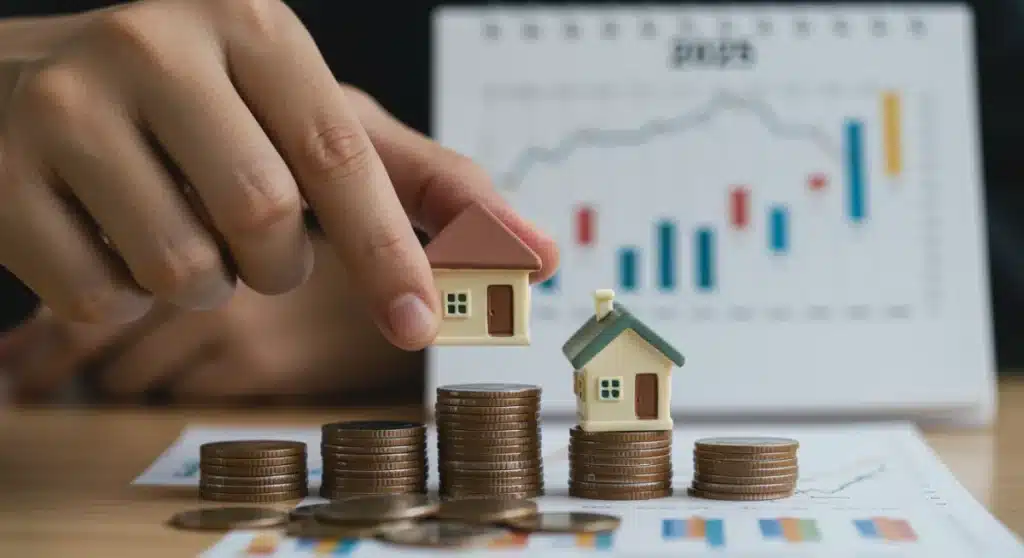
The Federal Reserve’s projected 2025 interest rate hike is poised to significantly increase borrowing costs across mortgages, auto loans, and credit cards, directly affecting household budgets and consumer financial strategies in the United States.
As we approach 2025, the financial landscape continues to evolve, with the Federal Reserve playing a pivotal role in shaping economic conditions. Understanding the Fed’s recent interest rate hike: Impact on your mortgage and loans in 2025 is crucial for every American household navigating their personal finances. This article aims to demystify these complex economic shifts and provide clear insights into how they might affect your borrowing costs and financial planning.
The Federal Reserve’s Role and Rate Hike Mechanics
The Federal Reserve, often referred to as ‘the Fed,’ acts as the central bank of the United States. Its primary mandates include maximizing employment, stabilizing prices, and moderating long-term interest rates. One of the most powerful tools at its disposal is the federal funds rate, which influences a cascade of other interest rates throughout the economy. When the Fed decides on a rate hike, it’s typically a strategic move to combat inflation or cool an overheating economy.
A rate hike means the cost for banks to borrow from each other overnight increases, which then translates into higher lending rates for consumers and businesses. This ripple effect is not instantaneous but gradually permeates various financial products. For 2025, economic forecasts suggest potential further adjustments to address lingering inflationary pressures or to maintain economic equilibrium. These decisions are not made lightly, involving extensive analysis of economic indicators, labor market data, and global financial conditions.
Why the Fed raises rates
The decision to raise interest rates is primarily driven by the Fed’s dual mandate. When inflation rises above the Fed’s target, increasing the federal funds rate makes borrowing more expensive, which slows down economic activity, reduces demand, and ideally brings inflation back under control. Conversely, if the economy is sluggish, the Fed might lower rates to stimulate borrowing and investment.
- Controlling inflation: Higher rates reduce consumer and business spending.
- Preventing overheating: Slows down excessively rapid economic growth.
- Strengthening the dollar: Can make the U.S. dollar more attractive to foreign investors.
How rate hikes impact the economy
The impact of a Fed rate hike is broad and multifaceted. It affects everything from consumer loans to international trade. Businesses may find it more expensive to borrow for expansion, potentially slowing job growth. Consumers might postpone large purchases, such as homes or cars, due to higher financing costs. Understanding these dynamics is essential for making informed financial decisions.
In essence, a rate hike serves as a brake on the economy, designed to prevent it from accelerating too quickly and causing price instability. For individuals, this means a shift in the cost of debt, which directly impacts their purchasing power and monthly expenditures. The Fed’s transparency regarding its intentions and rationale behind such decisions is crucial for market stability and public confidence.
Mortgage Market Dynamics in 2025: What to Expect
The mortgage market is perhaps one of the most sensitive sectors to changes in the federal funds rate. As the Fed embarks on another potential rate hike in 2025, homeowners and prospective buyers need to understand the implications. Mortgage rates, especially for adjustable-rate mortgages (ARMs), are highly responsive to these shifts, directly influencing monthly payments and overall home affordability.
Fixed-rate mortgages, while not directly tied to the federal funds rate, are influenced by broader market conditions, including the yield on U.S. Treasury bonds, which typically move in anticipation of or reaction to Fed actions. Therefore, even those with fixed rates might see indirect impacts on their refinancing options or future home purchases. The housing market itself can experience cooling effects, with demand potentially softening as borrowing becomes more expensive.
Adjustable-rate mortgages (ARMs)
For individuals with ARMs, a Fed rate hike can lead to an immediate or near-term increase in their monthly mortgage payments. These mortgages have interest rates that periodically adjust based on an index, which is often tied to short-term interest rates influenced by the Fed. Homeowners with ARMs should review their loan terms to understand when their next adjustment period is scheduled and by how much their rate could change.
- Payment adjustments: Monthly payments can increase significantly.
- Budgeting concerns: Requires careful financial planning to absorb higher costs.
- Refinancing considerations: May prompt a look into fixed-rate refinancing options.
Fixed-rate mortgages and refinancing
While fixed-rate mortgages offer stability, their initial rates are influenced by the broader interest rate environment. A Fed rate hike in 2025 could mean higher rates for new fixed-rate mortgages, making homeownership less accessible for some. For existing homeowners with fixed rates, the direct impact on their current payments is minimal. However, if they plan to refinance or purchase a new home, they will face the new, higher rate environment.
The decision to refinance becomes more complex in a rising rate environment. Homeowners who might have considered refinancing to lower their current rate or tap into home equity may find that the new prevailing rates offer little advantage, or even a disadvantage. It underscores the importance of staying informed and consulting with financial advisors to assess the best course of action for your specific situation.
Impact on Auto Loans and Credit Cards
Beyond mortgages, the Fed’s interest rate decisions have a noticeable ripple effect on other forms of consumer credit, particularly auto loans and credit cards. These are often considered more immediate indicators of shifts in borrowing costs, as their rates are typically more directly tied to benchmark rates.
For auto loans, a rate hike means higher monthly payments for new car purchases, potentially impacting sales and consumer demand in the automotive sector. For credit cards, which usually carry variable interest rates, cardholders can expect to see their Annual Percentage Rates (APRs) increase, making it more expensive to carry a balance. This can significantly affect household budgets, especially for those already managing substantial credit card debt.
Auto loan implications
When the Fed raises rates, the cost of borrowing for car dealerships and, subsequently, for consumers increases. This means that if you’re planning to finance a new or used vehicle in 2025, you’ll likely face higher interest rates than in previous years. This can translate into higher monthly payments or require you to opt for a less expensive vehicle to stay within your budget.
- Higher monthly payments: Direct increase in financing costs.
- Reduced purchasing power: Consumers may need to adjust their car-buying budget.
- Market slowdown: Potential decrease in auto sales due to increased costs.
Credit card debt and APRs
Credit card interest rates are predominantly variable, meaning they are directly linked to the prime rate, which moves in tandem with the federal funds rate. A Fed rate hike will almost certainly lead to an increase in your credit card’s APR. For consumers who carry a balance month-to-month, this means their existing debt becomes more expensive to service, increasing the total cost of their purchases.
Managing credit card debt becomes even more critical in a rising interest rate environment. Strategies such as paying off high-interest balances first, consolidating debt, or seeking lower-rate balance transfer offers become more appealing. Proactive management can mitigate the impact of higher APRs and prevent debt from becoming unmanageable.
Personal Loans and Other Consumer Credit
The influence of a Fed rate hike extends beyond just mortgages and auto loans to encompass a wide array of personal loans and other consumer credit products. This includes everything from student loans to home equity lines of credit (HELOCs), all of which will likely see adjustments in their interest rates in 2025. Understanding these broader impacts is key to comprehensive financial planning.
Personal loans, whether secured or unsecured, typically have interest rates that are sensitive to the prevailing market rates. As the cost of funds for lenders increases, so too does the cost of personal loans. For those considering taking out a personal loan for home improvements, debt consolidation, or other significant expenses, timing becomes a critical factor. Waiting too long might mean securing a loan at a higher rate.
Student loans and HELOCs
For student loans, the impact varies based on whether they are federal or private. Federal student loan rates are set by Congress and are usually fixed for the life of the loan, protecting borrowers from rate fluctuations. However, private student loans often have variable rates tied to market indices, meaning they could see increases following a Fed hike. HELOCs, like ARMs, typically have variable rates, making them particularly vulnerable to rising interest rates.
- Private student loans: Variable rates may increase, raising monthly payments.
- HELOCs: Payments can rise as interest rates adjust upwards.
- Federal student loans: Generally unaffected by Fed rate hikes due to fixed rates.
Strategies for managing debt in a rising rate environment
In anticipation of or response to a Fed rate hike, consumers should adopt proactive strategies to manage their debt effectively. This includes reviewing all existing loan agreements, particularly those with variable rates, to understand their potential exposure. Creating a detailed budget that accounts for potential increases in monthly payments is also crucial.
Prioritizing high-interest debt, such as credit card balances, can save a significant amount over time. Exploring options like debt consolidation loans (if available at a favorable fixed rate before further hikes) or balance transfers can also be beneficial. The goal is to minimize the impact of rising borrowing costs on your overall financial health.
Strategies for Consumers Amidst Rising Rates
Navigating a rising interest rate environment requires a thoughtful and strategic approach to personal finance. For consumers, this means not just understanding the changes but actively implementing strategies to mitigate negative impacts and even find opportunities. Proactive planning can make a significant difference in maintaining financial stability and achieving long-term goals.
One of the most immediate steps is to conduct a thorough review of all your outstanding debts. Identify which loans have variable rates and understand how quickly and how much their payments could increase. This clarity empowers you to make informed decisions about where to allocate extra payments or whether to consider refinancing options before rates climb further.
Budgeting and debt prioritization
A tightened budget is often the first line of defense against rising costs. Re-evaluate your spending habits, identify areas where you can cut back, and reallocate those savings towards debt reduction. Prioritizing high-interest debt, such as credit card balances, should be a top priority. Paying these down aggressively can save you a substantial amount in interest charges over time.
- Review expenses: Identify non-essential spending for potential cuts.
- Focus on high-APR debt: Pay down credit cards and variable-rate personal loans first.
- Create an emergency fund: Build savings to cushion against unexpected payment increases.
Refinancing and consolidation options
For those with variable-rate mortgages or other large variable-rate loans, exploring refinancing into a fixed-rate product might be a prudent move. This locks in your interest rate, providing predictability for your monthly payments, even if interest rates continue to rise. Similarly, debt consolidation loans or balance transfer credit cards with introductory 0% APRs can offer a temporary reprieve, allowing you to pay down debt more rapidly without accumulating additional interest.
However, it’s crucial to carefully weigh the costs and benefits of refinancing or consolidation. Consider closing costs, new loan terms, and whether the new interest rate truly offers a long-term advantage. Consulting with a financial advisor can provide personalized guidance tailored to your specific financial situation and goals.
Long-Term Financial Planning in a Changing Economy
Beyond immediate adjustments, a Fed rate hike in 2025 underscores the importance of long-term financial planning. Economic shifts are a constant, and building financial resilience is key to navigating them successfully. This involves not just managing debt but also considering savings, investments, and overall financial health in a dynamic interest rate environment.
For savers, rising interest rates can be a silver lining. High-yield savings accounts and Certificates of Deposit (CDs) often offer better returns, making it an opportune time to grow your savings. However, for investors, the landscape can be more complex, with different asset classes reacting uniquely to rate changes. A diversified investment portfolio remains a cornerstone of sound long-term planning.
Savings and investment strategies
As interest rates rise, so do the returns on many savings vehicles. Consider moving funds from traditional low-yield accounts to high-yield savings accounts or short-term CDs to maximize your earnings. For investments, consult with a financial advisor to ensure your portfolio is aligned with your risk tolerance and long-term goals, especially in a potentially more volatile market.
- Optimize savings: Utilize high-yield savings accounts and CDs.
- Review investment portfolio: Diversify and adjust asset allocation as needed.
- Consult a financial advisor: Get expert guidance for personalized strategies.
Building financial resilience
Ultimately, the goal is to build financial resilience that can withstand economic fluctuations. This means having an emergency fund covering several months of living expenses, minimizing high-interest debt, and consistently contributing to retirement and other long-term savings goals. Educating yourself about economic trends and their potential impact on your finances is an ongoing process that empowers you to make informed decisions.
The Fed’s actions are a reminder that the cost of money is not static. By taking proactive steps now, you can position yourself to not only weather the challenges of a rising rate environment but also to capitalize on new opportunities it might present. Long-term planning is about foresight and consistent effort, ensuring your financial well-being regardless of economic headwinds.
| Key Impact Area | Brief Description of Impact |
|---|---|
| Mortgage Rates | Expect higher rates for new mortgages and ARMs, impacting affordability and refinancing. |
| Auto Loans | Increased interest rates will lead to higher monthly payments for vehicle financing. |
| Credit Card APRs | Variable credit card rates will rise, making existing balances more expensive. |
| Personal Savings | Higher rates can lead to better returns on savings accounts and CDs. |
Frequently Asked Questions About Fed Rate Hikes
The Federal Reserve primarily raises interest rates to combat inflation. By making borrowing more expensive, the Fed aims to slow down economic activity, reduce demand for goods and services, and ultimately bring rising prices back to a stable level, typically around its 2% target.
Generally, a Fed rate hike will not directly affect your existing fixed-rate mortgage payments. Your interest rate is locked in for the life of the loan. However, it could impact your ability to refinance at a lower rate in the future or affect the value of your home indirectly by cooling the housing market.
Yes, it is highly advisable to pay off or significantly reduce credit card debt before a rate hike. Credit card interest rates are typically variable and will increase with Fed hikes, making existing balances more expensive to carry. Reducing this debt can save you substantial money.
No, the impact varies. Variable-rate loans like ARMs, HELOCs, and credit cards are most directly and immediately affected. Fixed-rate loans, such as federal student loans and existing fixed-rate mortgages, are generally less affected, though new fixed-rate loans will reflect the higher rate environment.
While borrowing becomes more expensive, savers can benefit. High-yield savings accounts, money market accounts, and Certificates of Deposit (CDs) typically offer higher returns when the Fed raises rates. This provides an opportunity for individuals to earn more on their savings.
Conclusion
As we look towards 2025, the Federal Reserve’s potential interest rate hikes represent a significant economic factor that will influence the financial decisions of millions of Americans. From the cost of mortgages and auto loans to the burden of credit card debt, the ripple effects are far-reaching. By understanding these dynamics, consumers can strategically plan their finances, prioritize debt reduction, and explore opportunities in savings and investments. Proactive engagement with personal finance, coupled with informed decision-making, will be essential to navigating the evolving economic landscape effectively and building robust financial resilience for the future.
Author