Senate Bill Aims for National Digital Currency Standard by 2026
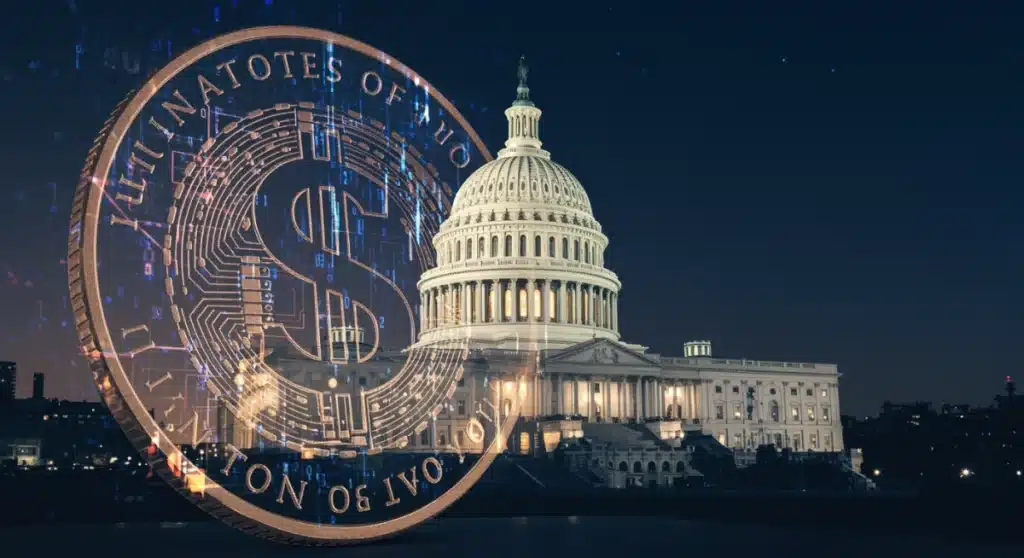
A significant Senate bill has been introduced, aiming to establish a national digital currency standard by mid-2026, marking a pivotal moment for the future of finance and economic stability in the United States.
The financial world is abuzz with discussions surrounding a pivotal legislative development: a new bill introduced in Senate aims to establish national digital currency standard by mid-2026. This proposed legislation signals a profound shift in how the United States approaches digital assets and monetary policy, setting the stage for potentially transformative changes across the economy and daily transactions.
Understanding the Proposed National Digital Currency Standard
The recent Senate bill introduces a framework for a national digital currency standard, a concept gaining significant traction globally. This initiative isn’t merely about creating a digital version of the dollar; it encompasses a broader vision for how digital assets will be regulated, secured, and integrated into the existing financial ecosystem. The primary goal is to ensure stability, security, and innovation in the rapidly evolving digital financial landscape.
Establishing a clear standard is crucial for fostering trust and widespread adoption. Without a unified approach, the digital asset space can remain fragmented and susceptible to various risks. This bill seeks to mitigate these challenges by providing a robust regulatory foundation.
Defining a Digital Currency Standard
- Interoperability: Ensuring seamless transactions across different platforms and systems.
- Security Protocols: Implementing advanced cryptographic measures to protect against cyber threats.
- Privacy Concerns: Balancing transactional transparency with individual privacy rights.
- Regulatory Oversight: Establishing clear guidelines for issuance, circulation, and compliance.
The implications of such a standard extend far beyond just technology. It touches upon economic sovereignty, international competitiveness, and the very nature of money. The Senate’s move indicates a proactive stance in shaping the future of finance rather than merely reacting to technological advancements. This foundational work is essential for the long-term health and stability of the U.S. financial system in a digital age.
Key Provisions and Objectives of the Bill
The proposed bill outlines several critical provisions designed to achieve its ambitious goal of a national digital currency standard by mid-2026. These provisions reflect a comprehensive approach, addressing technological, economic, and social aspects of digital currency implementation. Understanding these objectives is key to appreciating the potential impact of this legislation.
At its core, the bill aims to create a secure, efficient, and inclusive digital financial infrastructure. This includes not only the technical specifications for a digital dollar but also the legal and operational frameworks necessary for its successful deployment and integration into the existing financial system.
Core Objectives
- Financial Stability: Safeguarding the stability of the U.S. dollar in a digital format.
- Innovation Promotion: Encouraging technological advancements in financial services.
- Consumer Protection: Implementing safeguards for users of digital currencies.
- Global Leadership: Positioning the U.S. at the forefront of digital currency development.
One significant provision involves the establishment of a task force comprising experts from various government agencies, financial institutions, and technology sectors. This collaborative effort is intended to ensure that the standard is robust, adaptable, and reflective of diverse perspectives. The bill also emphasizes the need for public education and outreach to ensure a smooth transition and broad acceptance among citizens. The successful implementation hinges on a clear understanding and buy-in from all stakeholders.
Potential Economic Impact and Benefits
The establishment of a national digital currency standard holds immense potential for the U.S. economy, promising a range of benefits that could streamline financial operations and foster new growth. By creating a standardized framework, the bill seeks to unlock efficiencies and opportunities currently hindered by the fragmented nature of digital assets.
A unified digital currency approach could significantly reduce transaction costs, accelerate payment processing, and enhance financial inclusion for underserved populations. These improvements could lead to a more dynamic and accessible financial system for everyone.
Economic Advantages
- Reduced Transaction Costs: Lower fees for domestic and international payments.
- Faster Settlements: Near-instantaneous transaction processing, boosting economic velocity.
- Enhanced Financial Inclusion: Providing access to banking services for unbanked populations.
- Increased Transparency: Improving the traceability of funds for anti-money laundering efforts.
Beyond these direct benefits, a national digital currency standard could also bolster the U.S. dollar’s global standing. As other nations explore or implement their own central bank digital currencies (CBDCs), a clear and robust U.S. standard would reinforce its position as a leading global reserve currency. This proactive measure could also stimulate innovation within the fintech sector, creating new jobs and economic opportunities as companies develop services and applications built upon the standardized digital dollar.
Challenges and Concerns Ahead
While the prospect of a national digital currency standard offers numerous advantages, its implementation is not without significant challenges and concerns. Lawmakers, industry experts, and the public are carefully scrutinizing various aspects of the bill to address potential pitfalls and ensure a smooth transition.
One of the foremost concerns revolves around privacy. The digital nature of such a currency raises questions about the extent of government surveillance and data collection. Balancing the need for transparency in financial transactions with individual privacy rights is a delicate act that requires careful consideration and robust safeguards.
Key Challenges
- Privacy and Surveillance: Protecting individual financial data from undue access.
- Cybersecurity Risks: Guarding against sophisticated hacking attempts and data breaches.
- Technological Infrastructure: Building a scalable and resilient system capable of handling national volume.
- Public Acceptance: Gaining trust and encouraging widespread adoption among citizens.

Another major hurdle is cybersecurity. A national digital currency system would be a prime target for cybercriminals and hostile state actors, necessitating state-of-the-art security measures and continuous vigilance. The sheer scale of transactions and the importance of financial stability mean that any security breach could have catastrophic consequences. Furthermore, the technological infrastructure required to support a national digital currency is immense, demanding significant investment and expertise to build and maintain. Ensuring the system is resilient, scalable, and accessible to all Americans will be a monumental task.
Global Context: How the U.S. Compares
The U.S. is not operating in a vacuum when it comes to digital currencies. Many countries around the globe are actively exploring, piloting, or have already launched their own central bank digital currencies (CBDCs). Understanding this global landscape provides crucial context for the Senate’s current initiative and highlights the strategic importance of establishing a national digital currency standard.
China, for instance, has been a frontrunner with its digital yuan, conducting extensive trials and integrating it into daily life. Other nations, such as the Bahamas with its Sand Dollar, have already fully launched CBDCs. The European Central Bank is also well into its exploratory phase for a digital euro.
International Digital Currency Landscape
- China’s Digital Yuan: Extensive trials and significant adoption.
- European Digital Euro: Advanced research and development phase.
- Caribbean CBDCs: Pioneering live implementations in smaller economies.
- Other Nations: Diverse approaches ranging from research to pilot programs.
The U.S. approach has historically been more cautious, emphasizing thorough research and stakeholder consultation before committing to a specific path. This deliberate pace aims to avoid potential missteps observed in other jurisdictions and to ensure that any digital dollar implementation aligns with American values and economic principles. The current bill reflects a strategic move to accelerate this process, ensuring the U.S. remains competitive and influential in the evolving global financial order. The timing of this bill by mid-2026 suggests a recognition of the urgent need to define America’s role in this new digital era.
The Road to Mid-2026: Implementation Timeline
The timeline for establishing a national digital currency standard by mid-2026 is ambitious, reflecting the urgency and strategic importance of this initiative. The bill lays out a series of phases and milestones that must be met to achieve this goal, requiring coordinated efforts from various government bodies, financial institutions, and technology providers.
The journey will involve extensive research, pilot programs, public consultations, and iterative development cycles. Each stage is designed to address specific aspects of digital currency implementation, from technical design to regulatory compliance and public adoption strategies.
Key Implementation Phases
- Phase 1 (2024-2025): Feasibility studies, technology assessment, and initial policy framework development.
- Phase 2 (Late 2025): Pilot programs with selected financial institutions and user groups.
- Phase 3 (Early-Mid 2026): Refinement of standards, legal framework finalization, and broader public rollout preparations.
- Ongoing: Continuous monitoring, security enhancements, and public education campaigns.
A critical component of this timeline is the establishment of a dedicated oversight committee. This committee will be responsible for tracking progress, addressing unforeseen challenges, and ensuring that the project remains on schedule and within its defined objectives. Public engagement and feedback mechanisms are also planned to ensure that the standard evolves to meet the needs of all Americans. The success of this initiative by mid-2026 will depend heavily on robust collaboration and a commitment to adaptability as new information and technologies emerge.
| Key Aspect | Brief Description |
|---|---|
| Bill’s Goal | Establish national digital currency standard by mid-2026 for stability and innovation. |
| Key Provisions | Framework for security, interoperability, privacy, and regulatory oversight. |
| Economic Impact | Reduced costs, faster payments, financial inclusion, and global leadership for the U.S. dollar. |
| Challenges | Privacy concerns, cybersecurity risks, and public acceptance are major hurdles. |
Frequently Asked Questions About the Digital Currency Bill
A national digital currency standard refers to a set of unified rules, protocols, and technologies for the creation, issuance, and management of a country’s digital currency. It aims to ensure security, interoperability, and regulatory compliance across the digital financial ecosystem. This standard would guide the development of a potential digital dollar.
Initially, the bill focuses on establishing the underlying standard, so immediate changes to everyday transactions might be minimal. However, by mid-2026, if a digital dollar is implemented, you could experience faster, more secure, and potentially lower-cost transactions, digitalizing many current cash and card payments. It aims for seamless integration into existing financial habits.
The primary privacy concerns involve the potential for increased government surveillance of financial activities and the collection of personal transaction data. The bill aims to balance the need for transparency (to combat illicit activities) with robust individual privacy protections, which is a key area of debate and development for the standard.
No, a national digital currency standard is unlikely to replace decentralized cryptocurrencies like Bitcoin. Instead, it would be a central bank digital currency (CBDC), issued and backed by the government, functioning as a digital form of fiat money. Cryptocurrencies operate on different principles and largely serve different purposes within the broader digital asset landscape.
Blockchain technology or distributed ledger technology (DLT) is highly likely to play a foundational role in the national digital currency standard, especially for ensuring security, transparency, and immutability of transactions. While the exact implementation details are still being defined, DLT offers a robust framework for managing digital assets, although it might be a permissioned or hybrid blockchain.
Conclusion
The introduction of the Senate bill aiming to establish a national digital currency standard by mid-2026 marks a watershed moment for the United States. This legislative effort signifies a proactive and strategic move to navigate the complexities of the digital age, ensuring that the U.S. remains at the forefront of financial innovation and stability. While the journey ahead is fraught with challenges, from safeguarding privacy to building robust cybersecurity frameworks, the potential benefits—including enhanced efficiency, greater financial inclusion, and reinforced global leadership—are substantial. As the deadline approaches, the successful implementation of this standard will undoubtedly shape the future of finance for generations to come, requiring continuous collaboration, adaptability, and public trust to achieve its ambitious goals.
Author