Urgent Alert: Major Data Breach Exposes 5 Million Crypto Wallet Holders in Q2 2026 – Steps to Secure Your Assets Now (TIME-SENSITIVE)
Urgent Alert: Major Data Breach Exposes 5 Million Crypto Wallet Holders in Q2 2026 – Steps to Secure Your Assets Now (TIME-SENSITIVE)
In an alarming development that has sent shockwaves through the cryptocurrency world, a significant data breach in Q2 2026 has reportedly exposed the sensitive information of approximately 5 million crypto wallet holders. This incident, still under investigation, highlights the ever-present vulnerabilities in the digital asset landscape and serves as a stark reminder of the critical importance of robust crypto wallet security. For those affected, or indeed anyone holding digital assets, immediate action is paramount. This is not a drill; the time to secure your assets is now.
The scale of this breach is unprecedented, potentially impacting a substantial portion of the global crypto community. While the full extent of the compromised data is still being assessed, initial reports suggest that personal identification information, email addresses, and potentially even partial wallet details (though not private keys, thankfully, in most cases) associated with various platforms may have been exposed. This exposure creates a fertile ground for sophisticated phishing attacks, identity theft, and attempts to gain unauthorized access to crypto wallets. Understanding the nature of this threat and implementing proactive measures are your best defense.
The Nature of the Threat: What Was Compromised and Why It Matters for Crypto Wallet Security
While specific details are still emerging, data breaches of this magnitude typically involve the compromise of databases belonging to third-party services, exchanges, or even less secure ancillary services that users connect to their crypto wallets. It’s crucial to understand that a data breach exposing personal information doesn’t necessarily mean your private keys were stolen. However, it significantly increases the risk of targeted attacks designed to trick you into revealing those keys or granting access to your funds.
The compromised data could include:
- Email Addresses: The primary vector for phishing attacks. Scammers will use these to send convincing fake emails.
- Phone Numbers: Used for SMS phishing (smishing) or SIM swap attacks, where attackers take control of your phone number to bypass 2FA.
- Usernames and Passwords (hashed or plaintext): If passwords were not properly hashed, or if you reuse passwords across multiple services, this is a direct threat.
- IP Addresses: Can be used to infer geographical location, potentially aiding in social engineering attacks.
- Transaction Histories (partial): While not directly compromising, this information can be used to build a profile of your crypto activity, making phishing attempts more personalized and believable.
The danger lies in the combination of this information. With your email and knowledge of your crypto involvement, an attacker can craft highly personalized and sophisticated phishing emails, impersonating legitimate crypto platforms or support staff. They might try to convince you to click malicious links, download infected software, or even reveal your private keys or seed phrases. This is why immediate action on your crypto wallet security is non-negotiable.
Immediate Steps to Fortify Your Crypto Wallet Security
Given the time-sensitive nature of this breach, acting swiftly and decisively is critical. Here are the immediate steps every crypto wallet holder, especially those who suspect they might be affected, should take:
1. Change All Passwords – Immediately and Strategically
This is your first line of defense. Change passwords for:
- All cryptocurrency exchanges you use.
- Your primary email account associated with crypto activities.
- Any third-party services linked to your crypto wallets (e.g., portfolio trackers, analytics tools).
- Any other online accounts where you might have reused passwords.
When creating new passwords, use strong, unique combinations of uppercase and lowercase letters, numbers, and symbols. A password manager is an invaluable tool for generating and storing these complex passwords securely. Never reuse passwords across different platforms.
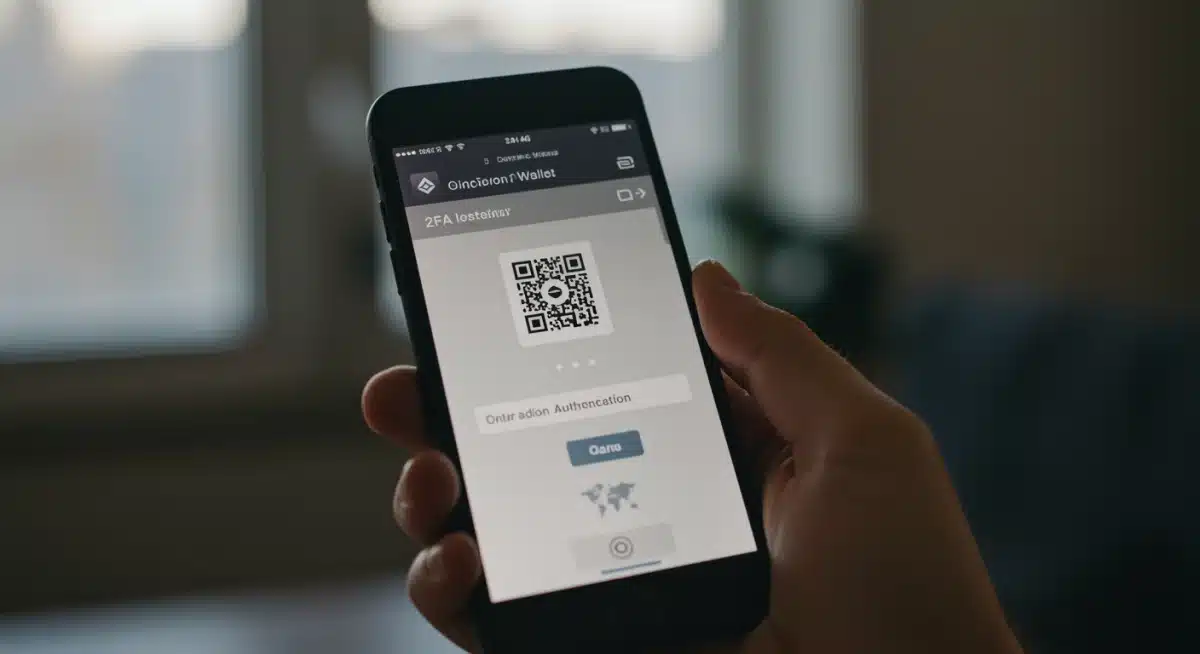
2. Enable and Review Two-Factor Authentication (2FA)
If you haven’t already, enable 2FA on every single crypto-related account, including exchanges, wallets (if supported), and your email service. If you already have 2FA enabled, review your settings. Prefer authenticator apps (like Google Authenticator, Authy) over SMS-based 2FA, as SMS is vulnerable to SIM swap attacks. If you are currently using SMS 2FA, switch to an authenticator app as soon as possible.
3. Be Hyper-Vigilant Against Phishing and Social Engineering
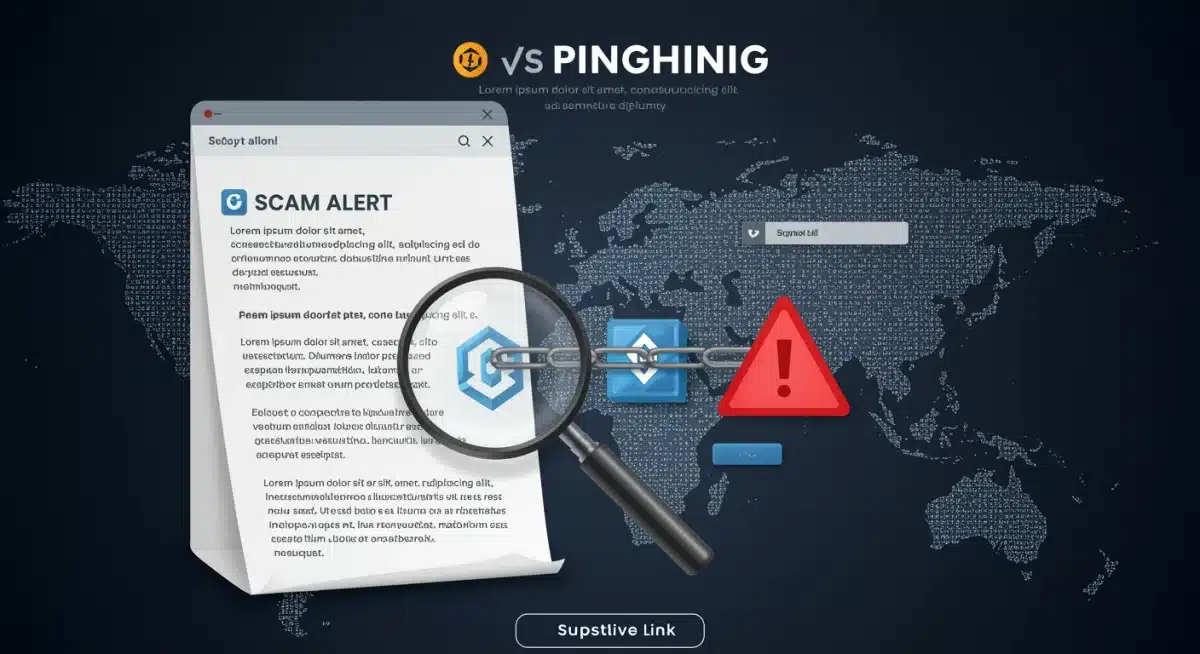
Attackers will leverage the compromised data to launch highly targeted attacks. Be extremely suspicious of any unsolicited emails, messages, or calls related to your crypto assets. Always:
- Verify Sender Identity: Check email addresses carefully. Look for subtle misspellings or domains that are slightly off.
- Avoid Clicking Links: Never click on links in suspicious emails or messages. If you need to access an exchange or wallet, type the URL directly into your browser.
- Beware of Urgency: Scammers often create a sense of urgency to bypass critical thinking. Any message demanding immediate action to avoid losing funds should be treated with extreme skepticism.
- Do Not Share Private Keys/Seed Phrases: Legitimate services will NEVER ask for your private keys, seed phrase, or mnemonic. These are the master keys to your funds.
4. Consider Moving Funds to a New Wallet (Optional but Recommended for High-Value Assets)
For those with significant crypto holdings, or if you feel your existing wallet might be compromised, consider migrating your assets to an entirely new wallet. This could be a new software wallet with a newly generated seed phrase, or ideally, a hardware wallet (see below). This step ensures that any potential compromise of your existing wallet’s software or seed phrase (unlikely if you followed best practices, but a worthwhile precaution) is mitigated.
5. Review Account Activity and Set Up Alerts
Regularly check your crypto exchange and wallet transaction history for any unauthorized activity. Many platforms offer email or SMS alerts for logins from new devices or large transactions. Enable these alerts and review them diligently.
Long-Term Crypto Wallet Security Strategies Beyond the Breach
While the immediate steps address the urgency of the current breach, adopting robust long-term security practices is essential for safeguarding your digital assets against future threats. This data breach serves as a powerful catalyst to re-evaluate and strengthen your overall crypto wallet security posture.
1. Invest in a Hardware Wallet (Cold Storage)
For significant holdings, a hardware wallet (e.g., Ledger, Trezor) is considered the gold standard for crypto wallet security. These devices store your private keys offline, making them immune to online hacks and malware. Transactions must be physically confirmed on the device, adding an indispensable layer of security. This is often referred to as ‘cold storage’ and is highly recommended for long-term holding of cryptocurrencies.
2. Understand Seed Phrases and Private Keys
Your seed phrase (or mnemonic phrase) is the human-readable backup of your private keys. It’s the master key to your wallet. If someone gains access to your seed phrase, they gain access to all your funds. Never store your seed phrase digitally (on a computer, phone, or cloud service). Write it down on paper and store it in multiple secure, offline locations (e.g., a safe deposit box, fireproof safe). Never share it with anyone, under any circumstances.
3. Diversify Your Holdings and Wallets
Avoid keeping all your crypto assets in a single wallet or on a single exchange. Diversify your holdings across different types of wallets (hardware, software, exchange) and even different exchanges. This compartmentalization limits your exposure in case one platform or wallet is compromised. Think of it like not putting all your cash in one bank account.
4. Use Dedicated Devices for Crypto Transactions
Consider using a dedicated, clean device (a computer or smartphone that is rarely used for other internet activities) solely for accessing your crypto wallets and exchanges. This significantly reduces the risk of malware or keyloggers compromising your sensitive information.
5. Be Wary of Public Wi-Fi
Avoid accessing your crypto wallets or exchanges when connected to public Wi-Fi networks. These networks are often unsecured and can be easily intercepted by malicious actors. If you must use public Wi-Fi, always use a reputable Virtual Private Network (VPN).
6. Stay Informed and Educated
The crypto landscape is constantly evolving, as are the threats. Stay up-to-date on the latest security best practices, common scams, and news regarding breaches or vulnerabilities. Follow reputable cybersecurity experts and crypto news sources.
Responding to the Breach: What If You Are Directly Affected?
If you have strong reason to believe your personal information was part of the Q2 2026 data breach, or if you notice any suspicious activity on your accounts, take these additional steps:
1. Contact Affected Platforms
Reach out to the security or support teams of any cryptocurrency exchanges or wallet services you use, especially those you believe might be linked to the breach. Ask them if your account was directly impacted and what additional steps they recommend.
2. Monitor Financial Accounts
Beyond your crypto accounts, keep a close eye on your traditional bank accounts, credit card statements, and credit reports for any unusual activity. Data breaches can lead to broader identity theft. Consider placing a fraud alert on your credit report.
3. Report Suspicious Activity
If you encounter any phishing attempts, suspicious emails, or potential scams, report them to the relevant authorities and the platforms being impersonated. This helps protect other users and contributes to a safer crypto ecosystem.
4. Back Up Your Data
While not directly related to preventing a crypto theft, regularly backing up your important digital data (photos, documents) to secure, offline storage is a general cybersecurity best practice that can help you recover from other forms of cyberattacks.
The Evolving Threat Landscape: Why Crypto Wallet Security is a Continuous Effort
The Q2 2026 data breach serves as a potent reminder that the digital frontier is a constant battleground. As cryptocurrencies gain mainstream adoption, they become increasingly attractive targets for malicious actors. These individuals and groups are continually refining their tactics, from sophisticated phishing campaigns to exploiting zero-day vulnerabilities. Therefore, crypto wallet security is not a one-time setup but an ongoing, vigilant effort.
Understanding the Role of Centralized vs. Decentralized Security
The crypto ecosystem is a mix of centralized exchanges (CEX) and decentralized applications (DApps) or self-custody wallets. Breaches often occur on centralized entities that hold large amounts of user data. While self-custody wallets give you complete control over your private keys, they also place 100% of the security responsibility on you. This breach underscores the vulnerabilities inherent in centralized data storage, even for platforms that may seem robust. It reinforces the argument for users to take greater control of their assets through self-custody where appropriate, combined with stringent personal security practices.
The Human Element in Crypto Wallet Security
Ultimately, many successful attacks exploit the human element. Social engineering, which manipulates individuals into performing actions or divulging confidential information, remains a primary threat. Education is your strongest defense. Understanding how phishing emails look, how imposter websites operate, and the common tricks used by scammers can prevent you from becoming a victim. Never let fear or greed override your critical judgment, especially when dealing with financial assets.
Beyond the Breach: Future-Proofing Your Digital Life
While this particular alert focuses on crypto, the lessons learned are applicable to your entire digital footprint. Strong, unique passwords, 2FA, vigilance against phishing, and understanding the value of your personal data are universal cybersecurity best practices. Extend these habits to all your online accounts, from social media to online banking. The interconnectedness of our digital lives means that a compromise in one area can cascade into others.
Conclusion: Prioritize Your Crypto Wallet Security Now
The Q2 2026 data breach affecting 5 million crypto wallet holders is a serious incident that demands immediate attention. While the full ramifications are still unfolding, the potential for targeted attacks is extremely high. By taking swift and decisive action – changing passwords, enabling robust 2FA, and adopting an extreme level of skepticism towards unsolicited communications – you can significantly reduce your risk exposure.
Remember, your crypto wallet security is ultimately your responsibility. The digital asset space offers incredible opportunities, but it also comes with inherent risks. By staying informed, being proactive, and implementing the recommended security measures, you can navigate these challenges with greater confidence and protect your valuable digital assets. Do not delay; secure your crypto assets today.
Author