Congressional Hearing Reveals Bipartisan Push for New 2026 Consumer Protections in DeFi (RECENT UPDATES)
The rapidly evolving landscape of Decentralized Finance (DeFi) has captured the attention of policymakers worldwide, and the United States Congress is no exception. A recent and highly anticipated Congressional hearing has brought to light a significant bipartisan push to establish robust DeFi Consumer Protections by 2026. This initiative signals a critical juncture for the nascent industry, promising to reshape how users interact with decentralized protocols and how innovators navigate regulatory frameworks. The discussions underscored a shared recognition of both the immense potential and inherent risks within DeFi, prompting a concerted effort to safeguard consumers without stifling innovation. This article delves deep into the implications of these proposed changes, offering recent updates and expert analysis on what the future holds for decentralized finance.
The Genesis of the Push: Why New DeFi Consumer Protections Now?
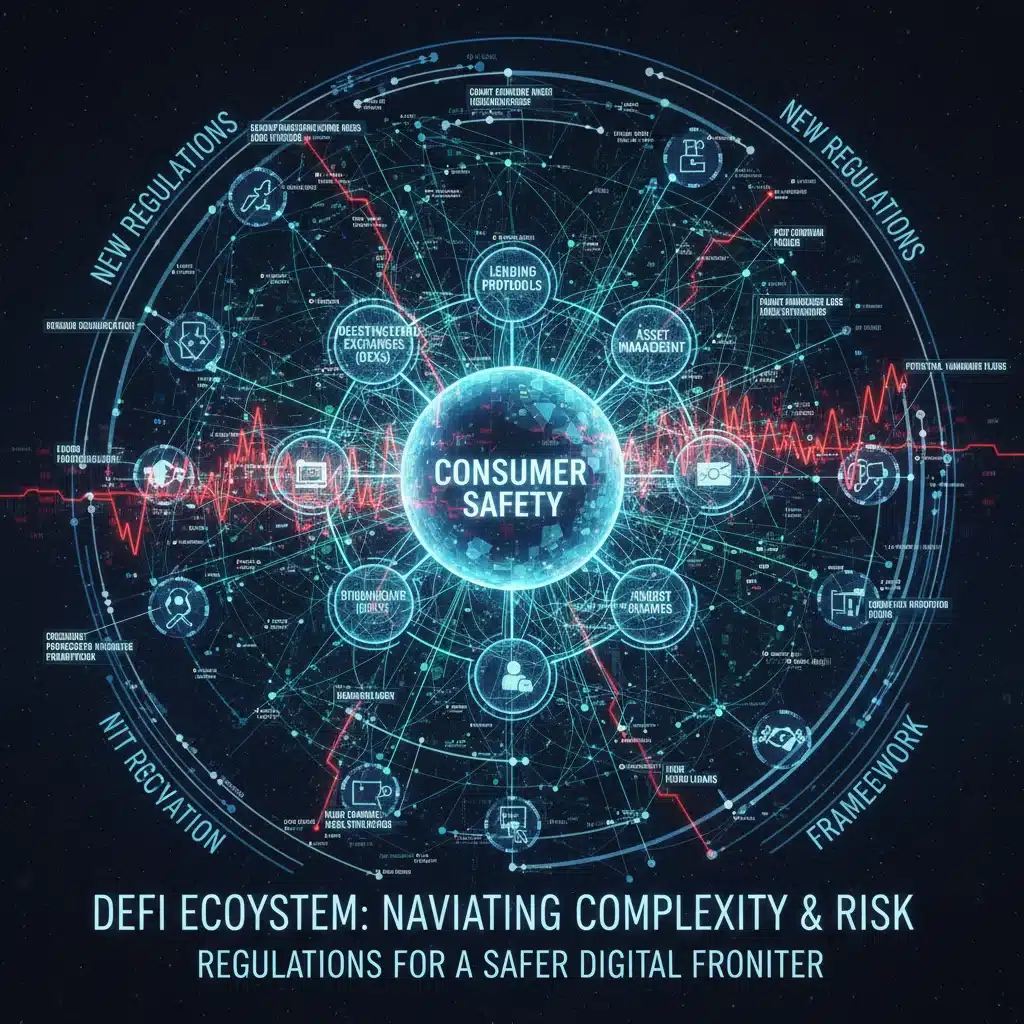
The past few years have seen an exponential rise in the adoption and complexity of DeFi protocols. From lending and borrowing platforms to decentralized exchanges (DEXs) and stablecoins, the ecosystem offers unprecedented financial accessibility and innovation. However, this growth has not been without its challenges. High-profile hacks, rug pulls, and significant market volatility have exposed millions of users to substantial financial losses. These incidents have fueled a growing demand for greater accountability and transparency, leading to the current Congressional scrutiny.
The bipartisan nature of this push is particularly noteworthy. Traditionally, regulatory approaches to emerging technologies can be highly polarized. However, the potential for widespread consumer harm in an unregulated DeFi space appears to have transcended political divides. Lawmakers from both sides of the aisle expressed concerns about the lack of clear recourse for victims of fraud, the opaque nature of some protocols, and the potential for systemic risk if DeFi continues to grow unchecked without adequate safeguards. The target year of 2026 suggests a recognition of the time required to develop comprehensive, well-thought-out legislation that can adapt to the dynamic nature of blockchain technology.
Key Concerns Driving the Congressional Inquiry into DeFi Consumer Protections:
- Lack of Central Authority: The decentralized nature of many protocols means there’s no single entity to hold responsible when things go wrong, making traditional regulatory frameworks difficult to apply.
- Smart Contract Vulnerabilities: Bugs or exploits in smart contracts can lead to significant asset loss, as evidenced by numerous past incidents.
- Information Asymmetry: Many DeFi users lack a full understanding of the complex underlying technologies and associated risks, making them vulnerable to sophisticated schemes.
- Market Manipulation: The nascent and often illiquid nature of some DeFi markets makes them susceptible to manipulation.
- Cross-Chain Risks: The increasing interoperability between different blockchains introduces new vectors for attack and complexity in tracing funds.
- Regulatory Arbitrage: Projects can operate across jurisdictions, exploiting gaps in international regulatory cooperation.
Highlights from the Congressional Hearing: A Bipartisan Consensus on DeFi Consumer Protections
The recent hearing, featuring testimonies from industry leaders, academics, and consumer advocacy groups, provided a comprehensive overview of the challenges and opportunities in DeFi. While specific legislative proposals are still under development, several key themes emerged that point towards the direction of future DeFi Consumer Protections:
1. The Need for Clear Definitions and Classifications
A recurring point of discussion was the ambiguity surrounding the legal classification of various DeFi assets and protocols. Are certain tokens securities, commodities, or something entirely new? Is a decentralized autonomous organization (DAO) a legal entity? Clarifying these definitions is seen as a foundational step toward establishing effective regulatory oversight and DeFi Consumer Protections. Lawmakers emphasized that without clear classifications, it’s impossible to apply existing laws or design new ones effectively.
2. Emphasizing Transparency and Disclosure
There was strong consensus on the need for greater transparency within DeFi. This includes clear and understandable disclosures about the risks associated with specific protocols, the underlying code, and the governance structures. Proposals ranged from mandating independent smart contract audits to requiring plain-language risk statements for users. The goal is to empower users with the information necessary to make informed decisions and understand the potential pitfalls of their investments in the DeFi space.
3. Addressing Systemic Risk and Interconnectedness
Concerns were raised about the potential for systemic risk, particularly given the interconnected nature of many DeFi protocols. A failure in one major protocol could potentially cascade through the entire ecosystem, impacting a wide range of users and potentially traditional financial markets. Experts suggested the need for mechanisms to monitor and mitigate these risks, possibly through data reporting requirements for large DeFi entities or stress testing simulations.
4. Balancing Innovation with Protection
Crucially, the hearing also acknowledged the innovative potential of DeFi. Many lawmakers and witnesses stressed the importance of fostering innovation while simultaneously implementing DeFi Consumer Protections. There was a general understanding that overly restrictive regulations could stifle growth and drive talent offshore. The challenge lies in finding a regulatory ‘sweet spot’ that encourages responsible innovation without compromising user safety. This balance is central to the crafting of any effective legislation by 2026.
Potential Regulatory Frameworks and Proposed DeFi Consumer Protections for 2026
While definitive legislation is still some time away, the hearing provided insights into several potential approaches and specific DeFi Consumer Protections that could be implemented. These range from adapting existing financial regulations to crafting entirely new frameworks tailored to the unique characteristics of blockchain technology.
1. Adaptation of Existing Securities and Commodities Laws
One primary approach involves adapting existing securities and commodities laws to apply to relevant DeFi assets. This would entail closer scrutiny from agencies like the SEC and CFTC, potentially leading to registration requirements for certain DeFi projects or the application of investor protection rules to decentralized offerings. The challenge here is applying laws designed for centralized entities to decentralized protocols effectively.
2. New Legislation for Digital Assets and DeFi
Another strong possibility is the creation of entirely new legislation specifically designed for digital assets and DeFi. This could involve establishing a new regulatory body or granting expanded powers to existing ones. Such legislation might focus on:
- Licensing Requirements: For certain DeFi service providers, such as those offering custodial services or operating large decentralized exchanges.
- Disclosure Standards: Standardized, machine-readable disclosures for smart contracts and protocol mechanics.
- Cybersecurity Standards: Mandating robust security practices and regular audits for DeFi protocols to prevent hacks.
- Dispute Resolution Mechanisms: Creating pathways for users to seek redress in cases of fraud or technical failure, which is currently a significant gap in DeFi Consumer Protections.
- Anti-Money Laundering (AML) and Know Your Customer (KYC) Requirements: Exploring how these can be implemented in a decentralized context without compromising user privacy or the core tenets of decentralization. This remains a complex area of debate.
3. International Cooperation and Harmonization
Given the global nature of DeFi, there was a strong call for increased international cooperation and harmonization of regulatory standards. Unilateral approaches by individual nations could lead to regulatory arbitrage and an uneven playing field. Collaborative efforts with international bodies and other major economies are seen as crucial for effective DeFi Consumer Protections on a global scale.
The Role of Self-Regulation and Industry Best Practices
Beyond government intervention, the hearing also highlighted the importance of self-regulation and the development of industry best practices. Many witnesses argued that the DeFi community itself has a vital role to play in building trust and implementing internal safeguards. Initiatives such as:
- Decentralized Identity Solutions: To enhance accountability without relying on centralized intermediaries.
- On-chain Governance Improvements: To make DAOs more transparent and responsive to community concerns.
- Bug Bounty Programs: To incentivize the identification and remediation of smart contract vulnerabilities.
- Industry-Led Auditing Standards: To ensure a baseline level of security and reliability for new protocols.
These efforts are seen as complementary to government regulation, demonstrating a commitment from the industry to prioritize DeFi Consumer Protections.
Recent Updates and What to Expect Towards 2026
Since the initial hearing, several developments indicate the ongoing momentum behind these proposed DeFi Consumer Protections:
- Increased Dialogue: Regulatory bodies like the SEC and CFTC have intensified their engagement with various stakeholders in the DeFi space, holding workshops and requesting public comments on specific issues.
- Research and Whitepapers: Congressional committees and think tanks are commissioning in-depth research into the technical and economic aspects of DeFi, aiming to inform future legislation.
- Pilot Programs: Some agencies are exploring sandbox environments or pilot programs to test potential regulatory approaches in a controlled setting before broad implementation.
- Global Initiatives: The Financial Stability Board (FSB) and other international bodies continue to release reports and recommendations on crypto-asset regulation, influencing national discussions.
As we move closer to 2026, we can anticipate a gradual rollout of legislative proposals. These will likely undergo significant debate and revision, reflecting the complex interplay between technological innovation, economic impact, and the imperative for DeFi Consumer Protections. The goal is not to halt the progress of DeFi but to integrate it responsibly into the broader financial system.

The Impact on the DeFi Ecosystem: Opportunities and Challenges
The implementation of new DeFi Consumer Protections by 2026 will undoubtedly have a profound impact on the entire ecosystem. While some may view regulation as an impediment, it also presents significant opportunities:
Opportunities:
- Increased Mainstream Adoption: Clear regulations and enhanced protections can instill greater trust among institutional investors and the general public, leading to wider adoption of DeFi services.
- Reduced Risk of Fraud: More robust oversight can significantly reduce the incidence of scams, rug pulls, and exploitative practices, fostering a healthier ecosystem.
- Greater Stability: Addressing systemic risks can lead to a more stable and resilient DeFi market, attractive to long-term investment.
- Regulatory Clarity for Developers: A clear regulatory framework can provide developers with the certainty needed to build innovative and compliant protocols, reducing legal ambiguities.
- Integration with Traditional Finance: Enhanced regulatory alignment could pave the way for closer integration between DeFi and traditional financial institutions, unlocking new capital and services.
Challenges:
- Compliance Costs: Smaller DeFi projects may struggle with the financial and operational burden of complying with new regulations.
- Risk of Over-Regulation: There’s a constant risk that overly broad or poorly designed regulations could stifle innovation and push legitimate projects offshore.
- Defining Decentralization: Regulators face the complex task of distinguishing truly decentralized protocols from those that merely masquerade as such, making enforcement challenging.
- Technical Implementation: Translating legal requirements into technically feasible and auditable on-chain solutions will require significant effort from both regulators and developers.
- Global Discrepancies: The lack of harmonized global regulations could create an uneven playing field and complicate cross-border DeFi activities.
Navigating the Future: Recommendations for DeFi Participants
As the regulatory landscape for DeFi Consumer Protections takes shape, various participants in the DeFi ecosystem should consider proactive measures:
For DeFi Project Developers and Founders:
- Prioritize Security Audits: Regular and thorough smart contract audits are non-negotiable.
- Enhance Transparency: Provide clear, accessible documentation of your protocol’s mechanics, risks, and governance.
- Engage with Regulators: Participate in public comment periods and industry forums to help shape effective policy.
- Build Robust Governance: Implement transparent and effective decentralized governance mechanisms.
- Consider Legal Counsel: Seek expert legal advice on potential classifications and compliance requirements.
For DeFi Users and Investors:
- Do Your Own Research (DYOR): Thoroughly investigate any protocol before committing funds. Understand the risks involved.
- Understand Smart Contracts: Familiarize yourself with the basics of smart contracts and how they function.
- Diversify Your Portfolio: Avoid putting all your funds into a single high-risk protocol.
- Stay Informed: Follow regulatory developments and industry news to understand changes in DeFi Consumer Protections.
- Use Reputable Platforms: Opt for protocols with a proven track record, strong security, and transparent operations.
Conclusion: A Regulated but Innovative Future for DeFi
The bipartisan push for new DeFi Consumer Protections by 2026 marks a significant milestone in the maturation of the decentralized finance industry. It signifies a collective recognition that while innovation is vital, it cannot come at the expense of user safety and financial stability. The Congressional hearing has set the stage for a period of intense legislative activity, research, and collaboration between policymakers and industry stakeholders.
While the path to comprehensive and effective regulation will be complex and fraught with challenges, the ultimate goal is to create a more secure, transparent, and trustworthy DeFi ecosystem. This will not only protect individual users from harm but also unlock the full potential of decentralized finance to revolutionize global financial services. The coming years will be crucial in shaping a future where DeFi can thrive responsibly, driven by both groundbreaking technology and robust DeFi Consumer Protections.