
The 3-Month Financial Health Check: Identifying and Rectifying Hidden Spending by 20%
In today’s fast-paced world, managing personal finances can often feel like navigating a complex maze. With countless subscriptions, impulsive purchases, and automated payments, it’s easy for our hard-earned money to slip through the cracks without us even realizing it. This is where a robust financial health check comes into play. More specifically, a focused 3-month financial health check can be a game-changer, empowering you to identify and rectify hidden spending, with the ambitious yet achievable goal of reducing your expenses by a significant 20%.
Think about it: a 20% reduction in spending could translate into substantial savings, faster debt repayment, or a bigger emergency fund. It’s not just about cutting costs; it’s about gaining control, understanding your money habits, and ultimately, building a more secure financial future. This comprehensive guide will walk you through the process, offering actionable steps and insights to help you transform your financial landscape.
Why a 3-Month Financial Health Check is Crucial
A 3-month period provides an ideal timeframe for a financial deep dive. It’s long enough to capture a representative sample of your spending habits, including recurring monthly bills, occasional quarterly expenses, and even seasonal variations. A shorter period might miss critical patterns, while a longer one could lead to analysis paralysis. This focused duration allows for effective data collection, analysis, and the implementation of corrective actions, ensuring that the changes you make are sustainable and impactful.
The primary objective of this financial health check is to uncover ‘hidden spending’ – those subtle leaks in your budget that silently drain your funds. These often include unused subscriptions, small daily purchases that accumulate, or services you pay for but rarely utilize. By systematically reviewing your financial activity over three months, you can identify these culprits and develop strategies to plug the leaks, ultimately bolstering your financial stability.
The Silent Drain: Understanding Hidden Spending
Hidden spending isn’t always about lavish purchases; more often, it’s the cumulative effect of small, seemingly insignificant expenditures. Consider the daily coffee habit, the streaming services you rarely watch, or the gym membership that’s more of a guilt trip than a benefit. Individually, these might seem minor, but collectively, they can amount to hundreds, if not thousands, of dollars annually. Our financial health check aims to bring these hidden costs into the light.
Furthermore, technology has made it easier than ever to spend without conscious thought. One-click purchases, automatic renewals, and digital wallets streamline transactions, but they can also create a disconnect between the act of spending and the impact on our bank accounts. This health check encourages a mindful approach to spending, helping you regain awareness and control.
Phase 1: The Data Collection (Month 1)
The first month of your financial health check is all about gathering information. You can’t fix what you don’t understand, and understanding your spending begins with meticulous data collection. This phase requires discipline and attention to detail, but the insights gained will be invaluable.
Step 1: Track Every Penny
This might sound daunting, but it’s the cornerstone of any effective financial analysis. For the entire first month, commit to tracking every single dollar you spend. There are several methods you can use:
- Budgeting Apps: Many apps like Mint, YNAB (You Need A Budget), or Personal Capital automatically categorize transactions from your linked accounts, making tracking relatively seamless.
- Spreadsheets: A simple Excel or Google Sheet can be incredibly powerful. Create categories for your spending (e.g., housing, food, transportation, entertainment, subscriptions) and manually enter every transaction.
- Notebook and Pen: For a more tactile approach, carry a small notebook and jot down every expense as it occurs. This method can increase mindfulness about spending.
The key is consistency. Don’t skip any transactions, no matter how small. That $3 coffee or $1.50 vending machine snack adds up quickly.
Step 2: Categorize Your Expenses
Once you’ve tracked your spending, the next crucial step is to categorize it. This will allow you to see where your money is actually going. Standard categories include:
- Fixed Expenses: Rent/mortgage, loan payments, insurance premiums. These are generally consistent month-to-month.
- Variable Expenses: Groceries, utilities, transportation (gas, public transport), dining out, entertainment, clothing. These fluctuate.
- Discretionary Spending: Hobbies, vacations, impulse buys, non-essential subscriptions.
Pay special attention to the ‘discretionary’ and ‘variable’ categories, as these are often where hidden spending resides. Are you spending more on dining out than you realized? Are your utility bills surprisingly high?
Step 3: Review Bank and Credit Card Statements
Even with diligent tracking, some expenses might slip through. Your bank and credit card statements are invaluable resources for a thorough financial health check. Download statements for the past three months (even though you’re actively tracking for one) to get a broader perspective. Look for:
- Recurring Charges: Identify all subscriptions, memberships, and automated payments. Are there any you don’t recognize or no longer use?
- Small, Frequent Transactions: These are often the biggest culprits of hidden spending. Multiple small purchases from the same vendor or daily micro-transactions can quickly add up.
- Unusual Activity: While rare, this is also an opportunity to spot any fraudulent charges.
Phase 2: Analysis and Identification (Month 2)
With your data collected, the second month of your financial health check is dedicated to rigorous analysis. This is where you transform raw numbers into actionable insights, pinpointing exactly where your money is going astray.
Step 4: Create a Detailed Budget (If You Don’t Have One)
If you don’t already have a budget, now is the time to create one. Use the data from your first month to build a realistic spending plan. Allocate specific amounts for each category. This budget will serve as your benchmark for identifying overspending and hidden costs.
If you already have a budget, compare your actual spending from Month 1 against your budgeted amounts. Where are the discrepancies? Are you consistently overspending in certain areas? This comparison is a critical part of your financial health check.
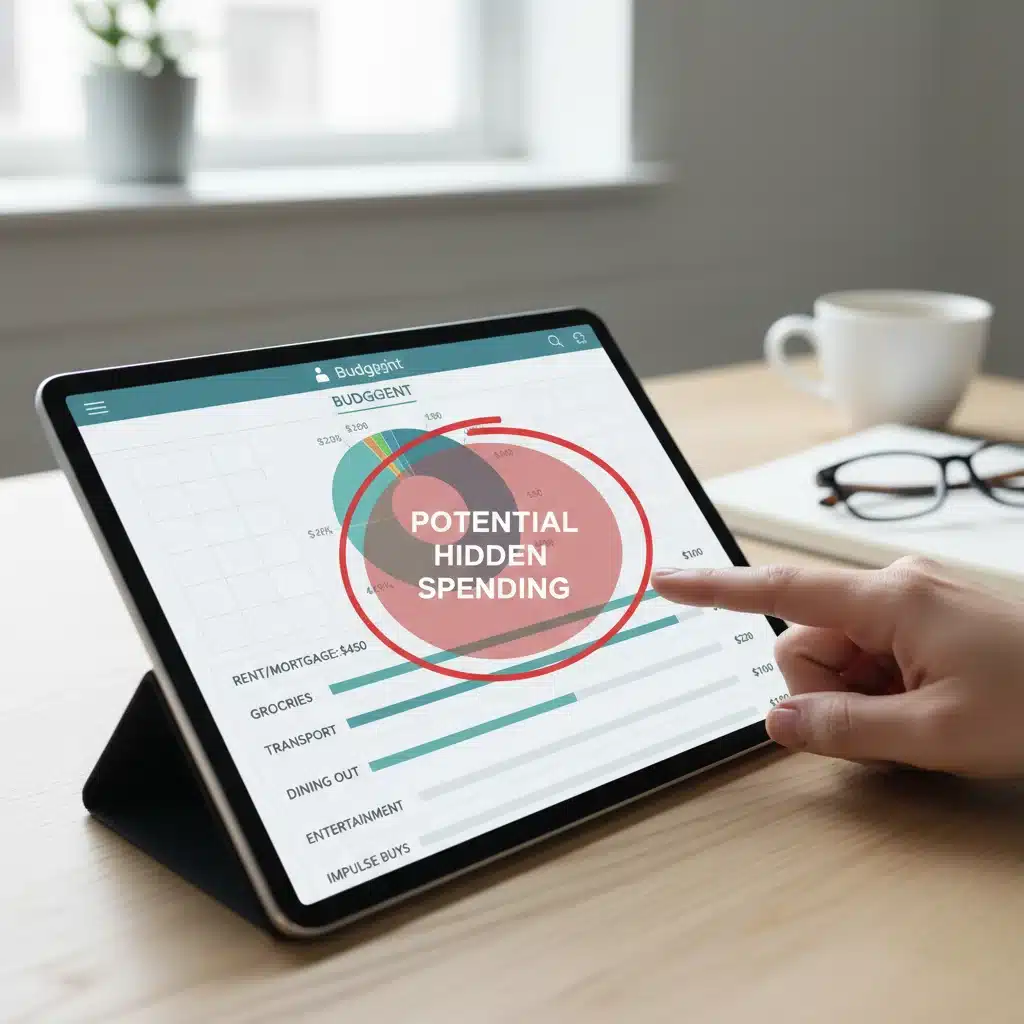
Step 5: Identify Hidden Spending Hotspots
This is the core of the financial health check. Go through each expense category with a fine-tooth comb. Ask yourself critical questions:
- Subscriptions: Do I use all my streaming services, gym memberships, or app subscriptions regularly? Are there free alternatives available?
- Dining Out/Takeaway: How much am I spending on restaurant meals and delivery services? Can I reduce this by cooking at home more often or packing lunches?
- Impulse Buys: How many purchases were unplanned or unnecessary? This could be anything from clothes to gadgets to groceries you didn’t need.
- Unused Services: Am I paying for premium services (e.g., extra cloud storage, extended warranties) that I don’t fully utilize?
- Banking Fees: Am I incurring overdraft fees, ATM fees, or monthly service charges that could be avoided by switching banks or managing my account differently?
- Energy Vampires: Are there appliances or habits contributing to higher utility bills? (e.g., leaving lights on, old inefficient appliances).
- “Small Change” Spending: The daily coffee, bottled water, snacks – these are often the most insidious hidden costs because they seem so small individually.
Be honest with yourself. The goal isn’t to deprive yourself but to make conscious choices about where your money goes. Quantify these hidden costs. Estimate how much each identified hotspot is costing you monthly and annually. This concrete number will be a powerful motivator for change.
Step 6: Calculate Your Potential 20% Reduction
Now that you’ve identified your hidden spending, calculate your total monthly expenses. Then, determine what a 20% reduction would look like. For example, if your total monthly spending is $3,000, a 20% reduction means cutting $600. Can you realistically achieve this by addressing the hidden spending you’ve identified? This target provides a clear goal for the rectification phase of your financial health check.
Phase 3: Rectification and Optimization (Month 3)
The final month of your financial health check is dedicated to taking action. This is where you implement the changes based on your analysis, actively working to reduce your spending and optimize your financial habits.
Step 7: Take Decisive Action on Hidden Spending
Based on your findings from Month 2, start making changes immediately:
- Cancel Unused Subscriptions: This is often the easiest win. Go through your list and cancel anything you don’t use or value. Many services offer a ‘pause’ option if you think you might use them again.
- Negotiate Bills: Call your internet, cable, or insurance providers. Often, they have loyalty discounts or can offer better rates if you ask. This can significantly reduce fixed expenses without cutting services.
- Automate Savings: Set up automatic transfers from your checking to your savings account immediately after your paycheck hits. Even small, consistent transfers add up. This makes saving a priority, not an afterthought.
- Meal Planning and Home Cooking: Dramatically reduce dining out expenses by planning your meals, buying groceries strategically, and cooking at home. Batch cooking can save time and money.
- Mindful Spending Practices: Before making any non-essential purchase, implement a 24-hour (or even 72-hour) rule. If you still want it after that time, then consider buying it. This curbs impulse buys.
- Shop Smarter: Look for sales, use coupons, buy generic brands, and compare prices. For bigger purchases, research thoroughly.
- Review Banking Services: Switch to a bank that offers no-fee checking or high-yield savings accounts if yours charges monthly fees. Opt for online statements to avoid paper fees.
Each action you take is a step towards a healthier financial future. Document the changes you make and the immediate savings you achieve.
Step 8: Track Progress and Adjust
Continue tracking your spending diligently throughout Month 3. Compare your current spending to your new, optimized budget. Are you hitting your 20% reduction target? If not, where can you make further adjustments? This ongoing monitoring is crucial for the success of your financial health check.
Don’t be discouraged if you don’t hit 20% immediately. Financial habits take time to change. The goal is progress, not perfection. Celebrate small victories, like successfully cutting a subscription or sticking to your grocery budget for a week.
Step 9: Establish New Financial Habits
The beauty of a 3-month financial health check is that it allows enough time to start embedding new, positive financial habits. By the end of this period, you should have a clearer understanding of your spending, a refined budget, and a set of strategies to maintain your financial discipline. Some habits to cultivate include:
- Regular Budget Review: Make it a weekly or bi-weekly habit to review your budget and spending.
- Savings First: Prioritize saving and investing by automating transfers.
- Conscious Spending: Before every purchase, ask yourself if it aligns with your financial goals.
- Emergency Fund Contributions: Consistently contribute to an emergency fund to build financial resilience.

Beyond the 3-Month Mark: Sustaining Your Financial Health
Completing a 3-month financial health check is a significant achievement, but it’s just the beginning. Financial health is an ongoing journey, not a destination. To sustain the positive changes and continue building wealth, consider these long-term strategies:
Regular Financial Reviews
Make it a habit to conduct a mini-financial health check quarterly or at least annually. Life circumstances change, and so do financial products and services. What was optimal three months ago might not be today. Regularly review your subscriptions, utility providers, and insurance policies to ensure you’re always getting the best value.
Set New Financial Goals
Once you’ve mastered controlling hidden spending, set new, ambitious financial goals. Perhaps it’s saving for a down payment, investing for retirement, or paying off a specific debt. Having clear goals provides motivation and direction for your financial journey.
Educate Yourself Continuously
The world of personal finance is constantly evolving. Stay informed about new saving strategies, investment opportunities, and tax laws. Read books, listen to podcasts, and follow reputable financial advisors. The more you know, the better equipped you’ll be to make smart financial decisions.
Build Multiple Income Streams
While reducing spending is crucial, increasing income can accelerate your financial progress. Explore opportunities for a side hustle, freelance work, or investing in income-generating assets. A diversified income stream provides greater financial security and flexibility.
Review and Optimize Debt
If you have consumer debt (credit cards, personal loans), make a plan to pay it down efficiently. Consider strategies like the debt snowball or debt avalanche method. Consolidating high-interest debt can also be a smart move, potentially saving you a significant amount in interest payments. As part of your ongoing financial health check, regularly review your debt obligations and look for opportunities to reduce interest rates or accelerate repayment.
Plan for the Unexpected
Life is unpredictable. Ensure your emergency fund is robust enough to cover 3-6 months of essential living expenses. Review your insurance policies (health, auto, home, life) to ensure they adequately protect you and your family from unforeseen circumstances. A strong safety net is a cornerstone of true financial health.
Invest Wisely
Once your emergency fund is solid and high-interest debt is under control, start or increase your investments. Understand your risk tolerance and diversify your portfolio. Consider consulting a financial advisor to help you create an investment strategy aligned with your long-term goals. Investing is a powerful tool for wealth creation and an essential component of a thriving financial health check.
Conclusion
Embarking on a 3-month financial health check is a proactive and empowering step towards achieving financial freedom. By diligently tracking every expense, meticulously analyzing your spending patterns, and taking decisive action to rectify hidden costs, you can realistically aim to reduce your expenses by 20% or more. This process isn’t about deprivation; it’s about intentionality, awareness, and making your money work harder for you.
The journey to financial health is continuous, but with the insights and habits gained from this intensive three-month period, you’ll be well-equipped to navigate your financial landscape with confidence and control. Start today, and watch as your financial well-being transforms, paving the way for a more secure and prosperous future.