GAO Audit Exposes 2026 Cybersecurity Flaws in Federal Blockchain Initiatives
GAO Audit Reveals 2026 Cybersecurity Vulnerabilities in Federal Blockchain Initiatives
The digital transformation sweeping across government agencies is undeniable, with blockchain technology emerging as a promising contender for enhancing efficiency, transparency, and security across various federal operations. From supply chain management to identity verification and secure data sharing, the potential applications of distributed ledger technology (DLT) are vast and transformative. However, as the federal government increasingly explores and implements these innovative solutions, a critical question arises: how secure are these nascent systems against the ever-evolving landscape of cyber threats?
A recent and highly anticipated audit by the Government Accountability Office (GAO) has cast a spotlight on this very issue, delivering a sobering assessment of the cybersecurity posture surrounding federal blockchain initiatives projected for 2026. The report, a comprehensive deep dive into the preparedness and vulnerabilities of these systems, highlights significant gaps and potential risks that demand immediate attention. This article delves into the core findings of the GAO audit, exploring the specific cybersecurity vulnerabilities identified, the implications for federal operations, and the path forward for securing these vital technological advancements.
The Promise and Peril of Federal Blockchain Adoption
Blockchain technology, at its core, offers a decentralized, immutable, and transparent ledger system. These characteristics make it particularly attractive for government applications where data integrity, auditability, and resistance to tampering are paramount. Imagine a federal system for managing critical infrastructure where every transaction and status update is immutably recorded, accessible to authorized parties, and resistant to single points of failure. Or consider a secure voting system that leverages blockchain to ensure transparency and prevent fraud. The potential for enhanced public trust and operational efficiency is immense.
However, the very attributes that make blockchain so powerful also introduce new and complex cybersecurity challenges. While the cryptographic foundations of blockchain networks are robust, the surrounding infrastructure, smart contracts, and integration points can be fertile ground for vulnerabilities. The GAO’s audit underscores that while the federal government is keen on leveraging blockchain’s advantages, it must simultaneously grapple with the intricate security implications of deploying such advanced technology at scale.
Key Findings of the GAO Audit: Unveiling Federal Blockchain Cybersecurity Gaps
The GAO’s investigation into federal blockchain initiatives for 2026 revealed several critical areas of concern regarding cybersecurity. These findings are not merely theoretical; they represent tangible risks that could undermine the integrity and effectiveness of government operations if not addressed proactively. The audit’s comprehensive scope covered various aspects, from policy and governance to technical implementation and incident response capabilities.
Inadequate Risk Assessment Frameworks
One of the primary findings highlighted by the GAO is the lack of standardized and comprehensive risk assessment frameworks tailored specifically for blockchain environments. Many federal agencies are attempting to apply traditional IT risk assessment methodologies to blockchain projects, which often fall short due to the unique architectural and operational characteristics of DLT. Blockchain’s distributed nature, consensus mechanisms, and cryptographic complexities introduce novel attack vectors and vulnerabilities that traditional frameworks may not adequately capture. The audit emphasized that without a robust and blockchain-specific risk assessment, agencies are effectively operating blind to potential threats, making it difficult to prioritize security investments and countermeasures effectively.
Insufficient Smart Contract Security Audits
Smart contracts are self-executing agreements whose terms are directly written into code on a blockchain. They are central to many federal blockchain applications, automating processes and enforcing rules. The GAO found a worrying trend of insufficient security audits for these critical components. Bugs or vulnerabilities in smart contract code can have catastrophic consequences, leading to financial losses, data manipulation, or denial of service. The audit pointed out that many agencies either lacked the in-house expertise to conduct thorough smart contract audits or failed to engage independent third-party experts, leaving these foundational elements exposed to exploitation.
Identity and Access Management (IAM) Weaknesses
While blockchain offers inherent security advantages, the human element and traditional access points remain significant vulnerabilities. The GAO identified weaknesses in identity and access management (IAM) strategies for federal blockchain initiatives. This includes issues with strong authentication mechanisms, granular access controls, and proper management of cryptographic keys. In a distributed environment, compromised credentials or poorly managed keys can grant unauthorized access to sensitive data or control over critical functions, negating many of blockchain’s security benefits. The report stressed the need for advanced IAM solutions that integrate seamlessly with blockchain architectures while adhering to federal security standards.
Lack of Interoperability Security Protocols
As the federal government explores various blockchain applications, the need for interoperability between different DLT networks and traditional IT systems becomes crucial. The GAO audit revealed a significant gap in secure interoperability protocols. When blockchain networks interact with other systems, new attack surfaces emerge. Without robust security measures governing these interactions, data integrity can be compromised, and vulnerabilities in one system can propagate to others. The audit called for standardized security protocols for cross-chain communication and integration with legacy systems to prevent cascading security failures.
Immature Incident Response and Recovery Plans
Even with the most robust security measures, breaches can occur. The GAO found that many federal agencies developing blockchain initiatives had immature or non-existent incident response and recovery plans specifically tailored to DLT environments. Responding to a security incident on a blockchain requires specialized knowledge and tools, distinct from traditional IT incident response. The immutability of blockchain, while a strength, also means that rectifying a compromised ledger entry can be exceptionally challenging. The audit emphasized the urgent need for agencies to develop comprehensive, blockchain-specific incident response playbooks, including forensic capabilities and recovery strategies.
Supply Chain Security Concerns for Blockchain Components
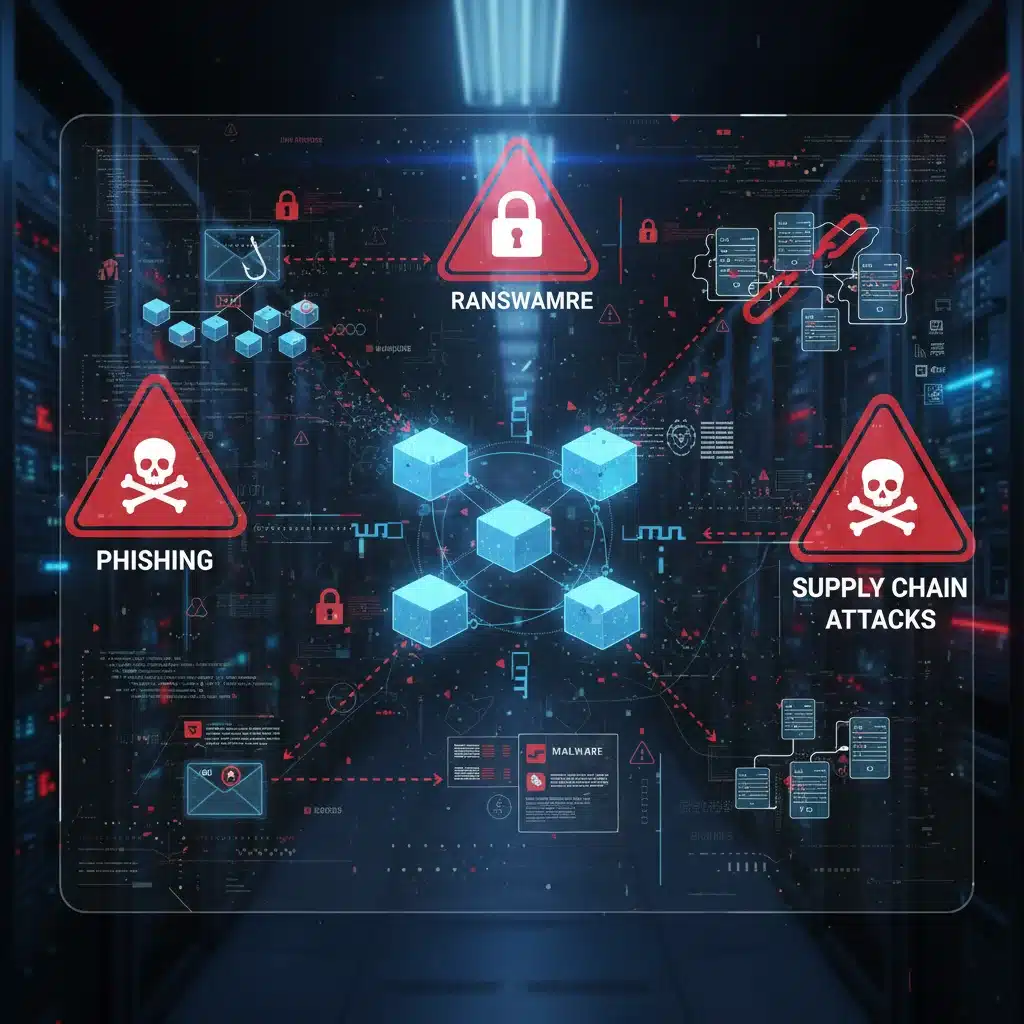
The software and hardware components that underpin blockchain networks are often sourced from a diverse global supply chain. The GAO audit raised concerns about the security of this supply chain for federal blockchain deployments. Vulnerabilities introduced at any point in the supply chain – from compromised hardware to malicious code injected into open-source libraries – can have far-reaching impacts. The report recommended more rigorous vetting processes for vendors, comprehensive software bill of materials (SBOM) requirements, and continuous monitoring for supply chain integrity to mitigate these risks.
The Broader Implications for Federal Operations
The cybersecurity vulnerabilities identified by the GAO are not merely technical shortcomings; they carry significant implications for the broader landscape of federal operations. A compromised federal blockchain initiative could lead to:
- Loss of Public Trust: If government systems built on blockchain are perceived as insecure or are successfully attacked, it could erode public confidence in the technology and in the government’s ability to protect sensitive data and critical services.
- Financial Losses: Exploited smart contracts or compromised wallets could lead to the misappropriation of funds or assets managed on the blockchain, resulting in substantial financial losses for the government and taxpayers.
- Data Integrity Issues: While blockchain is designed for immutability, vulnerabilities in surrounding systems or consensus mechanisms could lead to data manipulation, undermining the very premise of DLT for record-keeping.
- Operational Disruptions: Cyberattacks targeting federal blockchain infrastructure could disrupt critical government services, impacting everything from defense logistics to citizen services.
- National Security Risks: For blockchain applications related to defense, intelligence, or critical infrastructure, cybersecurity vulnerabilities could pose direct threats to national security.
Recommendations from the GAO: A Path to Enhanced Federal Blockchain Cybersecurity
Recognizing the gravity of its findings, the GAO provided a series of actionable recommendations aimed at strengthening the cybersecurity posture of federal blockchain initiatives. These recommendations call for a multi-faceted approach involving policy, technical, and human capital development.
Develop Blockchain-Specific Cybersecurity Policies and Standards
The GAO urged federal agencies, in collaboration with NIST (National Institute of Standards and Technology) and other relevant bodies, to develop and implement cybersecurity policies and standards specifically tailored for blockchain technology. These standards should address unique DLT characteristics, including consensus mechanisms, cryptographic key management, smart contract security, and interoperability.
Enhance Risk Management and Assessment Frameworks
Agencies must evolve their risk management practices to account for the distinct challenges of blockchain. This includes developing specialized risk assessment methodologies, conducting threat modeling exercises for DLT systems, and continuously monitoring for emerging blockchain-specific vulnerabilities. The GAO recommended that security be integrated into the entire lifecycle of blockchain projects, from design to deployment and ongoing operation.
Invest in Smart Contract Security Auditing Capabilities
To mitigate the risks associated with smart contracts, the GAO recommended that agencies either develop in-house expertise for smart contract security auditing or establish robust processes for engaging qualified third-party auditors. Regular, independent audits of smart contract code are essential to identify and rectify vulnerabilities before they can be exploited.
Strengthen Identity and Access Management for DLT
Implementing advanced IAM solutions that are compatible with blockchain environments is crucial. This includes adopting multi-factor authentication (MFA), implementing zero-trust principles, and establishing rigorous key management practices. The GAO emphasized the need for a clear chain of custody for cryptographic keys and regular audits of access privileges.
Prioritize Secure Interoperability Solutions
As federal blockchain initiatives mature and interoperate, secure communication channels and protocols are paramount. The GAO recommended that agencies prioritize the development and adoption of standardized, secure interoperability solutions that protect data integrity and confidentiality when DLT systems interact with each other and with legacy systems.
Develop Robust Incident Response and Recovery Plans
Agencies must establish detailed incident response and recovery plans specifically designed for blockchain incidents. This includes training personnel in DLT forensics, developing strategies for managing compromised ledgers, and ensuring business continuity in the event of a major cyberattack. Regular drills and simulations of blockchain-related incidents were also recommended.

Address Supply Chain Security for Blockchain Components
The GAO stressed the importance of a secure supply chain for all blockchain-related hardware and software. This involves conducting thorough due diligence on vendors, requiring transparency in component sourcing, and utilizing tools like Software Bill of Materials (SBOM) to track and verify software components. Continuous monitoring for supply chain vulnerabilities is also critical.
The Road Ahead: Building a Resilient Federal Blockchain Ecosystem
The GAO’s audit serves as a critical wake-up call for federal agencies embarking on their blockchain journeys. While the technology offers immense potential, its successful and secure implementation hinges on a proactive and comprehensive approach to cybersecurity. The vulnerabilities identified are not insurmountable, but they require concerted effort, significant investment, and a shift in mindset.
Building a resilient Federal Blockchain Cybersecurity ecosystem will require:
- Cross-Agency Collaboration: Sharing best practices, threat intelligence, and lessons learned across different federal agencies can accelerate the development of robust security measures.
- Public-Private Partnerships: Collaborating with industry experts, cybersecurity firms, and blockchain developers can bring specialized knowledge and innovative solutions to the government.
- Talent Development: Investing in training and recruiting cybersecurity professionals with expertise in blockchain technology is essential to build internal capabilities.
- Continuous Research and Development: The cybersecurity landscape is dynamic. Federal agencies must continuously invest in research and development to anticipate and counter emerging threats to blockchain systems.
- Regulatory Clarity: Developing clear regulatory frameworks that balance innovation with security will provide a stable environment for federal blockchain adoption.
The year 2026 is just around the corner, and many federal blockchain initiatives are slated for significant deployment or expansion by then. The GAO’s audit provides a timely and invaluable roadmap for ensuring that these initiatives are not only innovative but also inherently secure. By addressing the identified vulnerabilities proactively and implementing the recommended measures, the federal government can harness the full transformative power of blockchain technology while safeguarding national interests and public trust. The future of government operations may well be distributed, but it must, unequivocally, be secure.
The journey to secure federal blockchain adoption is complex, but the stakes are too high to ignore. The insights from the GAO audit underscore that cybersecurity is not an afterthought but a foundational pillar upon which any successful and trustworthy government blockchain initiative must be built. As we move closer to 2026, the focus must shift from merely exploring blockchain’s potential to meticulously fortifying its defenses against a sophisticated and relentless adversary. Only then can the federal government truly realize the promise of this revolutionary technology.
Ultimately, the successful integration of blockchain into federal operations hinges on a proactive, adaptive, and collaborative approach to cybersecurity. The GAO’s report is a powerful catalyst for this necessary evolution, pushing agencies to confront the realities of the digital threat landscape and build a future where federal blockchain initiatives are not only efficient and transparent but also impregnable against cyberattacks. The security of these systems is not just a technical challenge; it is a matter of national security and public confidence.
The report serves as a benchmark, urging agencies to re-evaluate their current strategies and make necessary adjustments to meet the evolving demands of securing distributed ledger technologies. The ongoing development of federal blockchain applications will undoubtedly continue, but the GAO’s findings ensure that security will remain at the forefront of these advancements, guiding decisions and shaping the future of government innovation. The path to 2026 is clear: innovate securely, or risk compromising the very foundations of trust and efficiency that blockchain promises to deliver.
Author