Decoding DeFi in 2026: Essential Educational Modules for Understanding Decentralized Finance Protocols and Risks
Decoding DeFi in 2026: Essential Educational Modules for Understanding Decentralized Finance Protocols and Risks
The financial world is undergoing a seismic shift, and at its epicenter lies Decentralized Finance, or DeFi. As we fast-forward to 2026, the landscape of DeFi has matured, presenting both unprecedented opportunities and evolving complexities. For anyone looking to navigate this new frontier, a robust understanding of its underlying principles, protocols, and inherent risks is not just an advantage—it’s a necessity. This article aims to provide a comprehensive roadmap, outlining essential educational modules for mastering DeFi Education 2026, ensuring you are well-equipped to participate in and benefit from this revolutionary financial paradigm.
The journey into DeFi can seem daunting, akin to learning a new language in a foreign land. However, with structured learning and a commitment to continuous education, anyone can demystify its intricacies. Our focus here is on identifying the core knowledge areas that will be paramount in 2026, moving beyond the superficial hype to delve into the foundational and advanced concepts that truly matter. From understanding the blockchain bedrock to assessing sophisticated financial instruments and mitigating potential pitfalls, we will cover it all.
The Foundational Pillars of DeFi: Blockchain and Smart Contracts
Before diving into the specific applications of DeFi, it is crucial to establish a firm grasp of its foundational technologies. The entire edifice of decentralized finance rests upon blockchain technology and smart contracts. Without a clear understanding of these, any exploration of DeFi will be superficial and incomplete.
Module 1: Blockchain Fundamentals for DeFi
In 2026, the proliferation of various blockchain networks means that a foundational understanding extends beyond just Bitcoin and Ethereum. Learners must comprehend:
- Distributed Ledger Technology (DLT): What it is, how it works, and its immutable nature. Understanding the concept of a decentralized, transparent, and tamper-proof ledger is the first step.
- Consensus Mechanisms: Delve into Proof-of-Work (PoW), Proof-of-Stake (PoS), and newer, more energy-efficient mechanisms. Ethereum’s transition to PoS (The Merge and beyond) is a critical case study, and understanding its implications for security, scalability, and decentralization is vital for DeFi Education 2026.
- Blockchain Architecture: Differentiate between Layer 1 (e.g., Ethereum, Solana, Avalanche) and Layer 2 solutions (e.g., Optimism, Arbitrum, zkSync). Understand how Layer 2s address scalability issues and reduce transaction costs, making DeFi more accessible.
- Interoperability: As DeFi expands across multiple chains, understanding cross-chain bridges and protocols like Polkadot, Cosmos, and Chainlink’s CCIP becomes increasingly important. The ability to move assets and data seamlessly between different blockchains is a cornerstone of a truly decentralized financial ecosystem.
Module 2: Smart Contracts – The Code of Decentralized Finance
Smart contracts are the self-executing agreements that power DeFi. They automate transactions and enforce agreements without intermediaries. For effective DeFi Education 2026, this module must cover:
- Introduction to Smart Contracts: What they are, how they function, and their role in automating financial services.
- Programming Languages for Smart Contracts: While Solidity remains dominant on Ethereum, familiarity with others like Rust (for Solana) or Vyper is beneficial. Understanding the basics of how these languages dictate contract logic is key.
- Smart Contract Security: This is paramount. Learn about common vulnerabilities (reentrancy attacks, flash loan exploits, front-running) and auditing processes. Understanding how smart contracts are reviewed and secured is critical for assessing the safety of any DeFi protocol.
- Oracles: How smart contracts interact with real-world data. Chainlink and other oracle networks are essential for bringing off-chain information onto the blockchain reliably and securely, which is vital for many DeFi applications, from lending to derivatives.
Core DeFi Protocols: Understanding the Ecosystem
Once the foundational technologies are understood, the next step is to explore the diverse range of financial services offered within the DeFi ecosystem. This section focuses on the primary categories of DeFi protocols that will define the financial landscape in 2026.
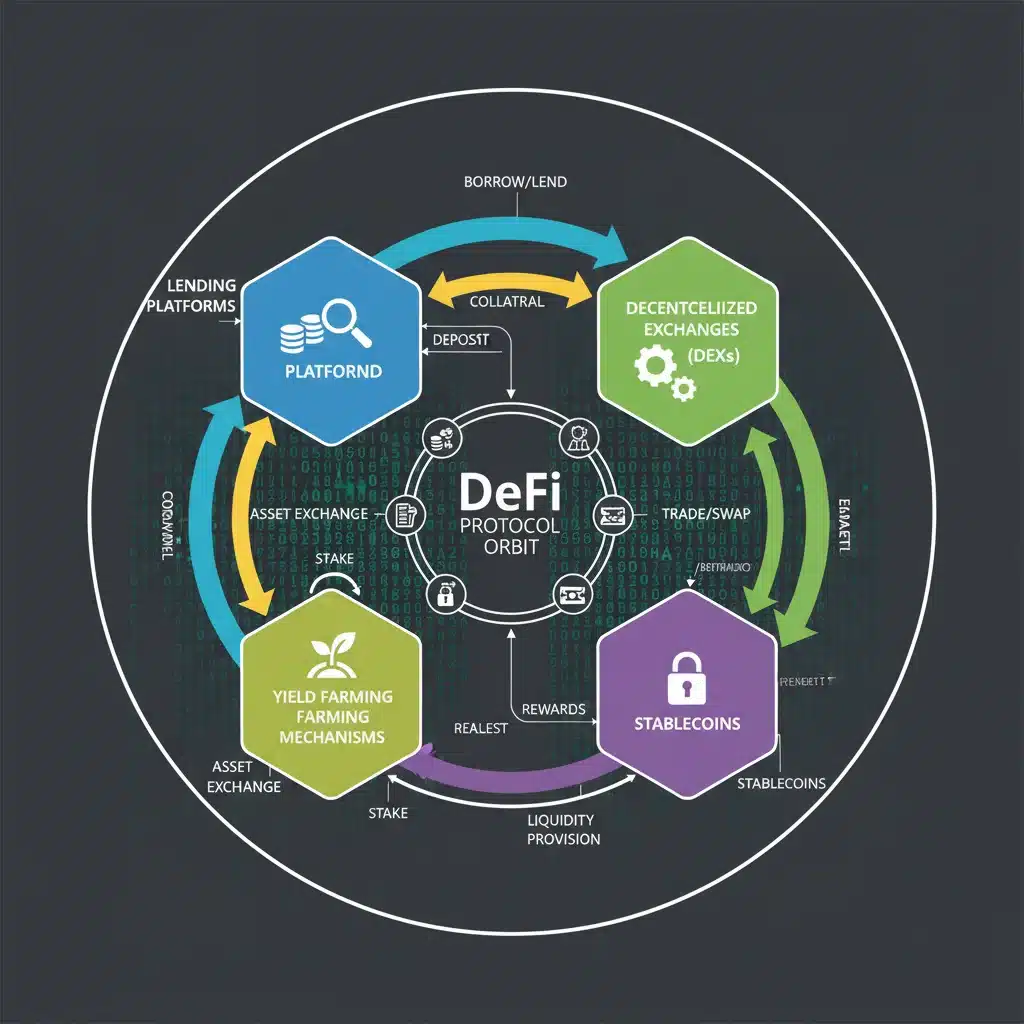
Module 3: Decentralized Exchanges (DEXs) and Liquidity Provision
DEXs are the backbone of decentralized trading, allowing users to swap tokens without intermediaries. This module should cover:
- Automated Market Makers (AMMs): How AMMs like Uniswap, Curve, and Balancer work. Understanding the constant product formula and other AMM variants is fundamental.
- Liquidity Pools: The concept of providing liquidity, earning trading fees, and the risks involved.
- Impermanent Loss: A critical risk for liquidity providers. Detailed explanations and strategies to mitigate impermanent loss are essential for comprehensive DeFi Education 2026.
- Order Book DEXs: Explore alternatives to AMMs, such as dYdX or perpetual protocol, which offer a more traditional trading experience.
Module 4: Lending and Borrowing Protocols
DeFi lending platforms enable users to lend out their crypto assets to earn interest or borrow by collateralizing their holdings, all without traditional banks. Key topics include:
- Collateralized Debt Positions (CDPs): How users lock collateral to borrow stablecoins or other assets.
- Over-collateralization: The principle of requiring more collateral than the value borrowed to protect lenders.
- Interest Rate Mechanisms: Variable vs. stable rates, and how they are determined by supply and demand within protocols like Aave and Compound.
- Flash Loans: A unique DeFi primitive allowing uncollateralized loans that must be repaid within the same transaction block. Understand their utility and associated risks, particularly in arbitrage and exploits.
Module 5: Stablecoins and Their Role in DeFi
Stablecoins are cryptocurrencies pegged to a stable asset, typically the US dollar, and are vital for reducing volatility in DeFi. This module should distinguish between:
- Centralized Stablecoins: Tether (USDT), USD Coin (USDC), and their reliance on traditional financial institutions for backing.
- Decentralized Stablecoins: Dai (DAI), Frax (FRAX), and other algorithmic or crypto-backed stablecoins. Understanding their collateralization mechanisms and stability risks is crucial.
- Regulatory Landscape: How regulations are evolving for stablecoins globally and their impact on DeFi in 2026.
Advanced DeFi Concepts and Risk Management
As DeFi matures, so do its financial instruments and the sophistication required to navigate them safely. This section delves into more advanced topics and, critically, the comprehensive risk management strategies necessary for long-term success in DeFi.
Module 6: Yield Farming, Staking, and Liquidity Mining
These strategies are central to generating returns in DeFi but come with their own set of complexities and risks. For advanced DeFi Education 2026, learners should understand:
- Yield Farming Strategies: Combining lending, borrowing, and liquidity provision to maximize returns. Explore different strategies and their associated risks.
- Staking: Participating in PoS networks to secure the blockchain and earn rewards. Differentiate between solo staking, liquid staking (e.g., Lido), and delegated staking.
- Liquidity Mining: Earning governance tokens as rewards for providing liquidity. Understand tokenomics and the potential for dilution.
- Aggregators and Optimizers: Platforms like Yearn Finance that automate yield farming strategies to optimize returns and reduce gas fees.
Module 7: Decentralized Derivatives and Synthetics
The DeFi space is increasingly offering instruments that mirror traditional finance derivatives, but in a decentralized manner:
- Perpetual Swaps: Understanding how dYdX and other platforms offer leveraged trading without expiry dates.
- Options and Futures: Explore decentralized options protocols and how they function.
- Synthetic Assets: Protocols like Synthetix that allow users to create and trade synthetic versions of real-world assets (e.g., stocks, commodities) on the blockchain.
- Leverage and Margin Trading: The mechanics and extreme risks associated with amplified positions in a volatile market.
Module 8: Governance and Decentralized Autonomous Organizations (DAOs)
DAOs are a fundamental aspect of decentralized governance, allowing token holders to vote on protocol changes and treasury management. This module should cover:
- DAO Structure and Function: How DAOs operate, their decision-making processes, and the role of governance tokens.
- Voting Mechanisms: Different voting models, quorum requirements, and proposal processes.
- Challenges and Future of DAOs: Discuss issues like voter apathy, whale dominance, and the evolving legal status of DAOs. Understanding the governance framework is vital for evaluating the long-term viability and direction of any DeFi protocol in 2026.
Navigating the Risks: A Crucial Component of DeFi Education 2026
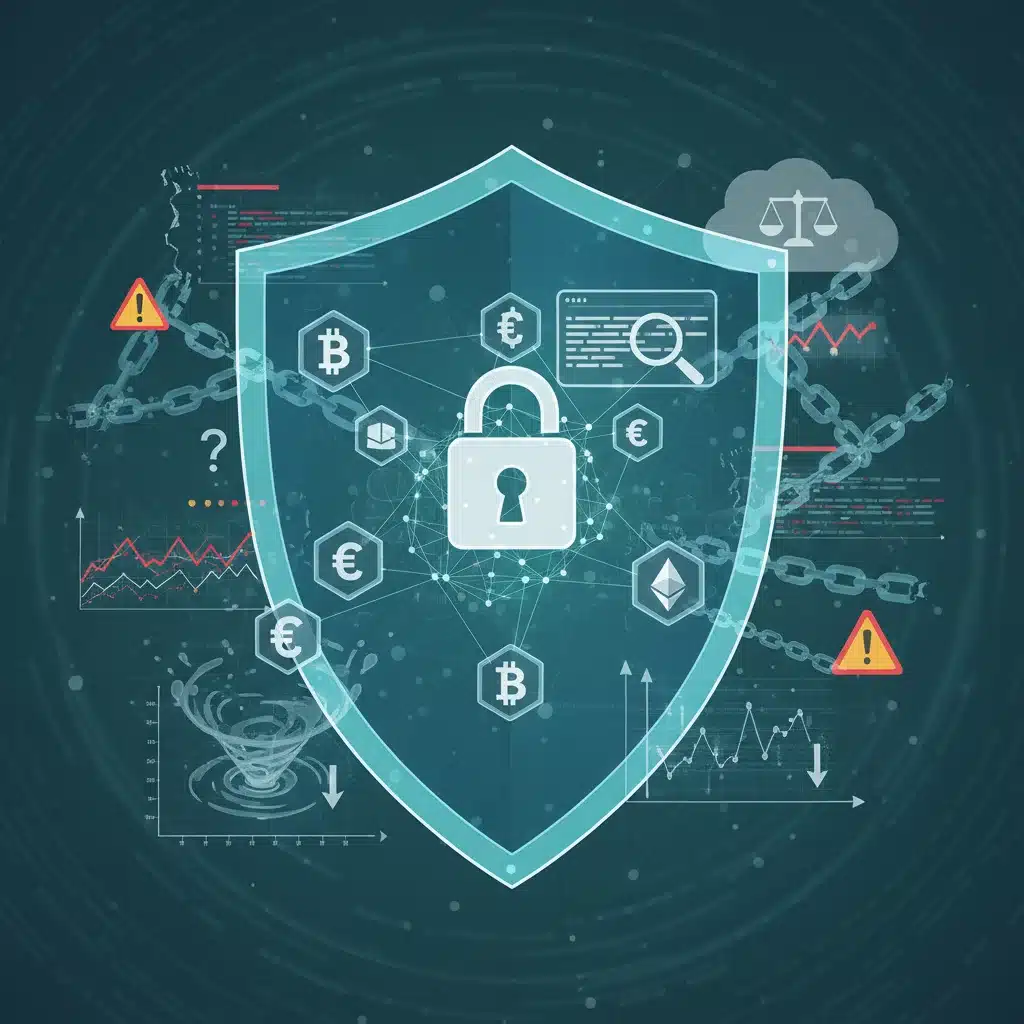
While DeFi offers immense potential, it is also a landscape fraught with unique and significant risks. A truly comprehensive DeFi Education 2026 must place a strong emphasis on understanding and mitigating these dangers.
Module 9: Security Risks in DeFi
Security is perhaps the most critical concern in DeFi. This module must delve into:
- Smart Contract Vulnerabilities: Revisit common exploits (reentrancy, flash loans, oracle manipulation) and how they manifest in real-world attacks. Case studies of past hacks are invaluable learning tools.
- Protocol Exploits: Understanding how economic exploits, governance attacks, and rug pulls can occur.
- Audits and Bug Bounties: The importance of rigorous smart contract audits by reputable firms and the role of community-driven bug bounty programs in identifying vulnerabilities.
- Wallet Security: Best practices for securing private keys, using hardware wallets, and understanding different wallet types (custodial vs. non-custodial).
- Phishing and Scams: Recognizing common scam tactics in the crypto space.
Module 10: Financial and Economic Risks
Beyond technical security, DeFi presents several economic risks that users must understand:
- Impermanent Loss Revisited: A deeper dive into its mechanics and advanced strategies for managing it, especially in volatile market conditions.
- Liquidation Risk: For borrowers, understanding collateral ratios, liquidation thresholds, and how to manage positions to avoid liquidation during market downturns.
- Oracle Attacks and Price Manipulation: How compromised or manipulated oracle data can lead to significant financial losses.
- Rug Pulls and Exit Scams: Identifying red flags in new projects and understanding how malicious developers can drain liquidity.
- Tokenomics Risks: Evaluating the sustainability of token emissions, inflation, and the potential for token price crashes due to poor tokenomics design.
Module 11: Regulatory and Legal Risks
The regulatory landscape for DeFi is still evolving, posing significant uncertainties. This module should address:
- Global Regulatory Trends: Overview of how different jurisdictions (US, EU, Asia) are approaching DeFi regulation.
- KYC/AML in DeFi: The tension between decentralization and regulatory demands for Know Your Customer (KYC) and Anti-Money Laundering (AML) compliance.
- Tax Implications: Understanding the tax obligations related to DeFi activities (yield farming, staking rewards, trading gains) in various jurisdictions.
- Legal Status of DAOs and DeFi Protocols: The ongoing debate about whether DAOs are legal entities and the potential liabilities of participants.
Practical Application and Continuous Learning
Theoretical knowledge alone is insufficient. Practical experience and a commitment to continuous learning are vital for truly mastering DeFi Education 2026.
Module 12: Hands-on DeFi Engagement
This module emphasizes practical application through:
- Testnet Exploration: Engaging with DeFi protocols on testnets to gain experience without financial risk.
- Small-Scale Investments: Starting with small amounts to understand gas fees, transaction confirmations, and protocol interfaces.
- Portfolio Tracking Tools: Utilizing tools like Zapper, DeBank, or Ape Board to monitor DeFi positions and understand portfolio performance.
- Interacting with Governance: Participating in DAO governance votes to understand the practicalities of decentralized decision-making.
Module 13: Staying Up-to-Date in a Dynamic Landscape
DeFi is an incredibly fast-moving space. Staying current is crucial:
- Following Reputable Sources: Subscribing to newsletters, podcasts, and blogs from trusted DeFi analysts and researchers.
- Community Engagement: Participating in active DeFi communities on platforms like Discord, Telegram, and Twitter to learn from peers and experts.
- Auditing and Research Reports: Regularly reviewing smart contract audit reports and in-depth research from firms like Messari, CoinGecko, and The Block.
- Understanding Market Cycles: Recognizing the cyclical nature of crypto markets and its impact on DeFi strategies.
The Future of DeFi Education in 2026 and Beyond
As we look towards 2026, the educational landscape for DeFi will continue to evolve. We can expect more formalized academic programs, specialized certifications, and increasingly sophisticated tools for risk assessment and portfolio management. The integration of AI and machine learning could also play a significant role in helping users navigate complex DeFi strategies and identify potential vulnerabilities.
The demand for skilled DeFi professionals—from smart contract developers and auditors to financial analysts and risk managers—will only grow. Therefore, investing in comprehensive DeFi Education 2026 is not just about personal financial empowerment; it’s about preparing for the jobs and opportunities of the future.
Conclusion: Empowering Your DeFi Journey
Navigating Decentralized Finance in 2026 requires more than just a passing interest; it demands dedicated learning and a strategic approach to understanding its complex ecosystem. By breaking down the learning process into essential modules—from blockchain fundamentals and smart contracts to core DeFi protocols, advanced strategies, and comprehensive risk management—individuals can build a robust knowledge base. The emphasis on practical application and continuous learning ensures that one remains agile in this rapidly evolving space.
The future of finance is decentralized, and those who commit to thorough DeFi Education 2026 will be best positioned to harness its transformative power, mitigate its inherent risks, and ultimately thrive in the new financial paradigm. Embrace the challenge, commit to learning, and unlock the immense potential that DeFi has to offer.
Author