NFT Ecosystems 2026: A US Educational Roadmap for Digital Asset Literacy
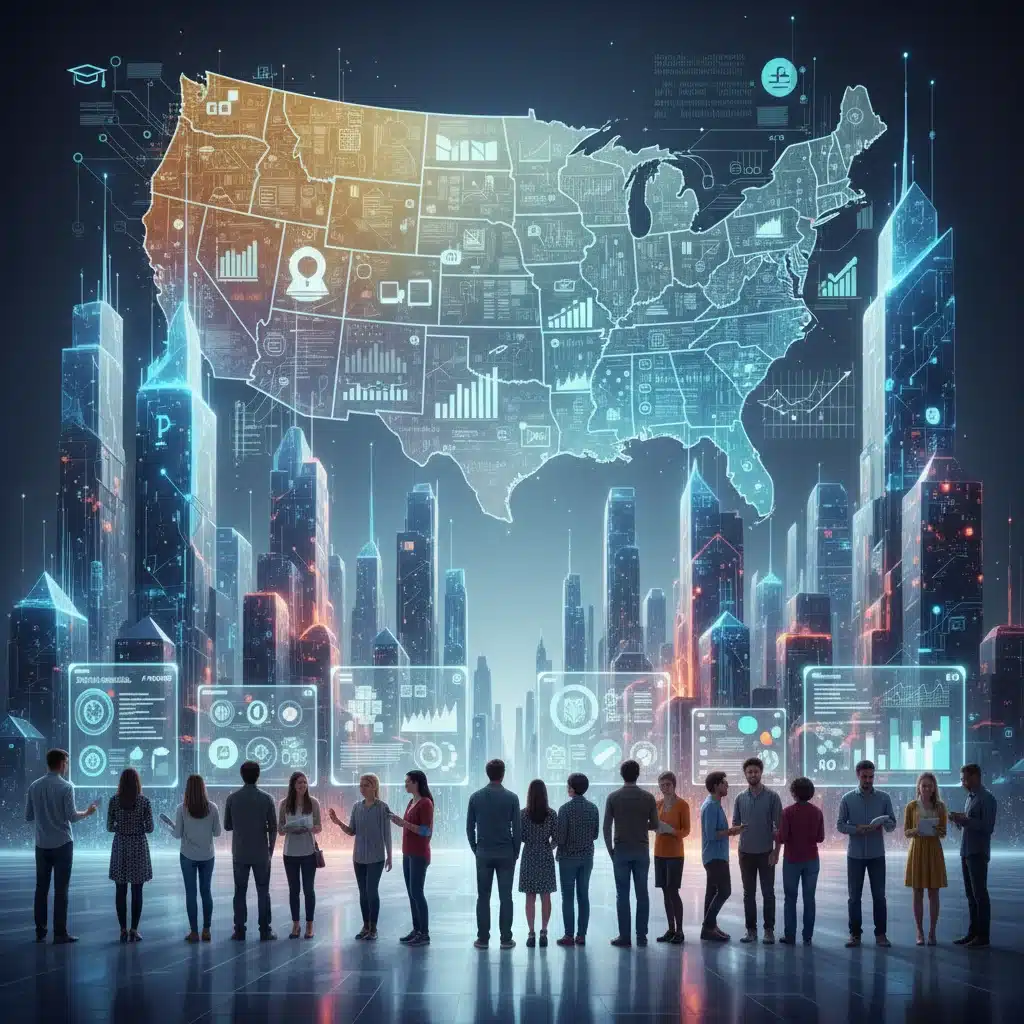
Navigating NFT Ecosystems: A 2026 Educational Roadmap for Digital Asset Literacy in the United States
The world of Non-Fungible Tokens (NFTs) has exploded in recent years, transforming from a niche technological concept into a burgeoning digital economy. As we look towards 2026, the complexity and integration of NFT ecosystems are set to expand exponentially, making robust NFT ecosystems education an absolute necessity for individuals and institutions alike in the United States. This article outlines a comprehensive educational roadmap designed to equip Americans with the digital asset literacy required to thrive in this evolving landscape. We will delve into the foundational knowledge, practical skills, and forward-thinking insights essential for navigating the dynamic world of NFTs, ensuring that by 2026, a digitally literate populace can confidently engage with these innovative assets.
The Genesis of NFT Ecosystems Education: Why Now?
The rapid adoption of NFTs across various sectors – art, gaming, music, real estate, and even identity management – underscores their transformative potential. However, this rapid growth has also brought challenges, including market volatility, scams, regulatory uncertainties, and a significant knowledge gap among the general public. Without proper NFT ecosystems education, individuals are vulnerable to risks and unable to fully harness the opportunities presented by this new paradigm. By 2026, NFTs are projected to be an even more integral part of the digital economy, necessitating a proactive approach to education.
Understanding the Core: What are NFTs and Blockchain?
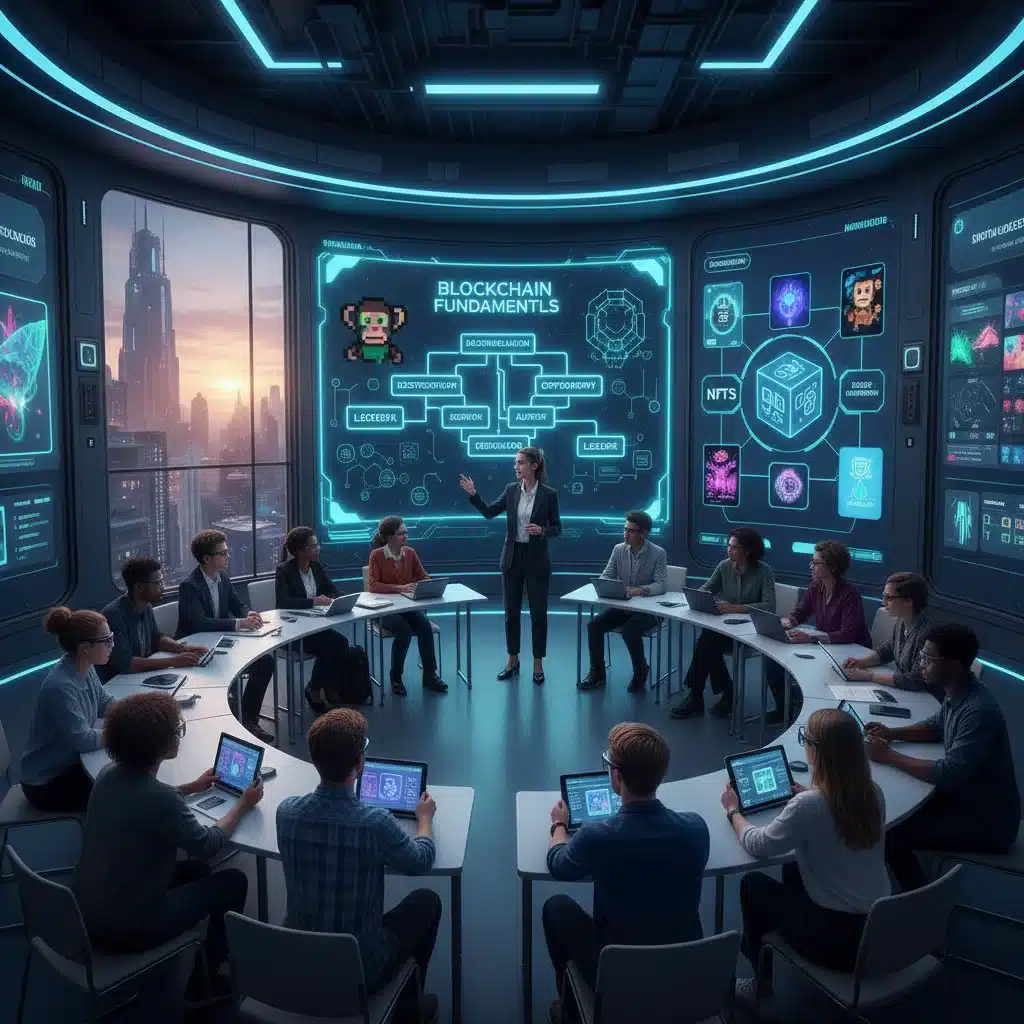
At the heart of any effective NFT ecosystems education lies a fundamental understanding of what NFTs are and the underlying blockchain technology that powers them. An NFT is a unique digital identifier recorded on a blockchain, used to certify ownership and authenticity of a digital asset or a tokenized version of a physical asset. Unlike cryptocurrencies, NFTs are not interchangeable; each possesses distinct properties and value.
- Blockchain Fundamentals: Education must begin with the basics of blockchain technology – distributed ledger technology, decentralization, cryptographic security, and consensus mechanisms. Understanding how blocks are validated and chained together provides the essential context for NFT operations.
- Smart Contracts: These self-executing contracts with the terms of the agreement directly written into code are crucial for NFTs. Learning about their functionality, deployment, and security implications is paramount.
- Token Standards: Familiarity with various NFT token standards like ERC-721 and ERC-1155 on Ethereum, and their counterparts on other blockchains (e.g., Solana, Polygon, Flow), is vital for understanding interoperability and specific use cases.
By building this foundational knowledge, individuals can move beyond mere hype and grasp the technological underpinnings that give NFTs their value and utility. This bedrock of understanding is the first step in comprehensive NFT ecosystems education.
Practical Skills for Engaging with NFT Ecosystems
Beyond theoretical knowledge, practical skills are indispensable for safe and effective participation in NFT ecosystems. An educational roadmap for 2026 must prioritize hands-on training and real-world application.
Wallet Management and Security
Digital wallets are the gateway to the NFT world. Comprehensive NFT ecosystems education should cover:
- Types of Wallets: Hot wallets (e.g., MetaMask, Coinbase Wallet) vs. cold wallets (hardware wallets like Ledger, Trezor). Understanding their differences, advantages, and disadvantages is crucial.
- Seed Phrase and Private Key Management: Emphasizing the absolute importance of securing seed phrases and private keys, and the dangers of phishing scams.
- Transaction Signing: Understanding what it means to sign a transaction, gas fees, and how to verify transaction details before confirming.
Navigating NFT Marketplaces
Marketplaces like OpenSea, Rarible, and Magic Eden are central to buying, selling, and trading NFTs. Education should include:
- Marketplace Mechanics: How to create an account, connect a wallet, browse listings, understand bidding processes, and execute transactions.
- Authenticity Verification: Strategies for identifying legitimate NFTs and avoiding counterfeits or scams, including checking contract addresses and creator provenance.
- Understanding Royalties and Fees: How creator royalties work and the various platform fees associated with NFT transactions.
Minting and Creating NFTs
For aspiring creators, understanding the minting process is key:
- Choosing a Blockchain: Factors to consider when selecting a blockchain for minting (e.g., transaction costs, community, specific features).
- Minting Platforms: Step-by-step guides on using platforms like OpenSea, Rarible, or custom smart contract deployment.
- Intellectual Property Rights: Education on the legal implications of creating and selling NFTs, including copyright, licensing, and derivative works.
The Evolving Landscape: Regulatory, Security, and Ethical Considerations
As NFT ecosystems mature, so too do the complexities surrounding regulation, security, and ethics. A robust NFT ecosystems education framework for 2026 must address these critical areas.
Understanding the Regulatory Environment in the US
The regulatory landscape for NFTs in the United States is still evolving, but by 2026, clearer guidelines are expected. Education should cover:
- Securities Law Implications: When an NFT might be considered a security and the consequences of such a classification.
- Taxation of NFTs: How NFTs are currently taxed (e.g., capital gains, income) and potential future changes.
- Anti-Money Laundering (AML) and Know Your Customer (KYC): The role of these regulations in preventing illicit activities within NFT ecosystems.
- State-Specific Regulations: Awareness of any state-level initiatives or laws impacting NFT activities.
Staying informed about regulatory developments is not just about compliance; it’s about fostering a stable and trustworthy environment for NFT adoption. This forms a crucial pillar of NFT ecosystems education.
Advanced Security Measures and Risk Mitigation
The decentralized nature of NFTs also presents unique security challenges. Education must equip users with advanced protective measures:
- Identifying Common Scams: Phishing attacks, rug pulls, wash trading, fake marketplaces, and social engineering tactics.
- Multi-Factor Authentication (MFA): Implementing strong MFA for all crypto-related accounts.
- Smart Contract Audits: Understanding the importance of audited smart contracts for projects and how to check for them.
- Decentralized Autonomous Organizations (DAOs) Security: If engaging with DAOs, understanding their governance models and potential vulnerabilities.
Ethical Considerations and Social Impact
NFTs are not just technological marvels; they have significant social and ethical implications. NFT ecosystems education should encourage critical thinking about:
- Environmental Impact: The energy consumption associated with certain blockchain networks and the move towards more sustainable alternatives (e.g., Proof-of-Stake).
- Digital Scarcity and Value: Debates around artificial scarcity, speculative bubbles, and the true value proposition of digital assets.
- Inclusivity and Accessibility: Efforts to make NFT ecosystems more accessible to diverse populations and bridge the digital divide.
- Creator Rights and Attribution: Ensuring fair compensation and recognition for digital artists and creators.
The 2026 Vision: Integrating NFT Education into Mainstream Curricula
To truly achieve widespread digital asset literacy by 2026, NFT ecosystems education cannot remain confined to specialized courses or online forums. It needs to be integrated into mainstream educational curricula, from K-12 to higher education and professional development programs.
K-12 and Early Exposure
Introducing basic concepts of digital ownership, cybersecurity, and the internet’s evolution at an early age can lay a strong foundation. While not directly teaching complex NFT mechanics, early exposure can foster digital savviness and critical thinking skills relevant to future digital assets.
Higher Education and Specialized Programs
Universities and colleges are already beginning to offer courses on blockchain and cryptocurrencies. By 2026, we should see a proliferation of specialized programs focusing on:
- NFT Art and Design: Exploring the creative potential of NFTs, digital art techniques, and marketplace strategies.
- Blockchain Development for NFTs: Technical courses on smart contract development, DApp creation, and blockchain architecture.
- NFT Law and Policy: In-depth study of legal frameworks, intellectual property, and regulatory compliance specific to digital assets.
- NFT Marketing and Economics: Understanding market dynamics, community building, and monetization strategies within NFT ecosystems.
Professional Development and Corporate Training
Businesses across various industries are exploring or already integrating NFTs. Therefore, continuous professional development and corporate training programs are essential:
- Executive Briefings: For leaders to understand the strategic implications of NFTs for their industries.
- Departmental Training: Tailored programs for marketing, legal, finance, and product development teams on how NFTs impact their specific roles.
- Certification Programs: Industry-recognized certifications to validate expertise in NFT ecosystems.
Key Players and Collaborative Efforts in NFT Ecosystems Education
Achieving a comprehensive NFT ecosystems education roadmap by 2026 requires a concerted effort from various stakeholders.
Government and Regulatory Bodies
Government agencies (e.g., SEC, CFTC, Treasury) play a critical role in providing clear guidelines and consumer protection. Educational initiatives from these bodies can help demystify regulations and build public trust.
Educational Institutions
Universities, community colleges, and online learning platforms are at the forefront of curriculum development and knowledge dissemination. Collaborative efforts between institutions can create standardized, high-quality educational content.
Industry Leaders and Blockchain Companies
Major blockchain companies, NFT platforms, and Web3 innovators have a vested interest in a well-informed user base. Their involvement in creating educational resources, sponsoring research, and offering internships can significantly boost digital asset literacy.
Non-Profit Organizations and Advocacy Groups
These organizations can play a crucial role in advocating for responsible innovation, consumer protection, and equitable access to NFT ecosystems education, particularly for underserved communities.
Challenges and Opportunities in Implementing the Roadmap
While the need for robust NFT ecosystems education is clear, implementing such a comprehensive roadmap presents its own set of challenges and opportunities.
Challenges:
- Rapid Technological Evolution: The pace of innovation in Web3 means educational content can quickly become outdated. Continuous updates and flexible curricula are essential.
- Lack of Qualified Educators: A shortage of educators with deep expertise in both blockchain technology and pedagogical skills.
- Accessibility and Equity: Ensuring that quality education is accessible to all demographics, regardless of socioeconomic status or technological proficiency.
- Misinformation and Hype: Countering the spread of inaccurate information and distinguishing genuine innovation from speculative trends.

Opportunities:
- Global Collaboration: The decentralized nature of Web3 fosters international collaboration in educational content creation and best practices.
- Interactive Learning Tools: Leveraging NFTs themselves for educational purposes, such as tokenized certificates or gamified learning experiences.
- Economic Empowerment: Providing individuals with the skills to participate in new digital economies, creating new job opportunities and wealth generation avenues.
- Innovation in Education Delivery: Exploring new models of learning, including decentralized education platforms and community-driven learning initiatives.
Looking Ahead to 2026 and Beyond
By 2026, the success of this educational roadmap for NFT ecosystems education will be measured not just by the number of courses offered or students enrolled, but by the level of informed, secure, and confident participation in the digital asset space. A digitally literate populace will be better equipped to make informed decisions about their investments, protect themselves from scams, and contribute meaningfully to the evolution of Web3.
The future of NFTs is not merely about digital collectibles; it’s about a fundamental shift in how we perceive ownership, value, and interaction in the digital realm. It encompasses new forms of identity, governance, and creative expression. Preparing the United States for this future through comprehensive and accessible NFT ecosystems education is not just an aspiration; it’s an imperative. Let us collectively strive to build a future where every American has the knowledge and tools to navigate, innovate, and thrive within the exciting world of NFT ecosystems.
The journey towards widespread digital asset literacy is ongoing. It requires adaptability, continuous learning, and a commitment to fostering an informed and responsible community. As we approach 2026, the groundwork laid today in NFT ecosystems education will determine the strength and resilience of our digital future.
Author