Mastering Crypto Security: Advanced Wallet & Transaction Protection 2026
Mastering Crypto Security: Advanced Wallet & Transaction Protection in 2026
The world of cryptocurrencies continues its rapid evolution, offering unprecedented opportunities for financial innovation and personal sovereignty. However, with great opportunity comes significant responsibility, especially concerning security. As we move further into 2026, the landscape of cyber threats targeting digital assets becomes increasingly sophisticated. Therefore, understanding and implementing Advanced Crypto Security measures is no longer optional but absolutely imperative for anyone engaging with the blockchain ecosystem.
This comprehensive guide delves into the educational strategies and practical steps necessary to safeguard your digital wallets and transactions against the myriad of evolving threats. We will explore everything from fundamental security principles to cutting-edge techniques, ensuring you are well-equipped to navigate the complexities of the crypto world securely.
The Evolving Threat Landscape: Why Advanced Crypto Security Matters More Than Ever
The digital frontier is constantly shifting. What was considered secure yesterday might be vulnerable today. In the realm of cryptocurrencies, this reality is amplified. Malicious actors are perpetually innovating, developing new methods to exploit vulnerabilities in systems, protocols, and, most frequently, human behavior. From elaborate phishing schemes to sophisticated smart contract exploits, the threats are diverse and relentless. This section will outline the current and projected threat landscape that necessitates a robust approach to Advanced Crypto Security.
Sophisticated Phishing and Social Engineering Attacks
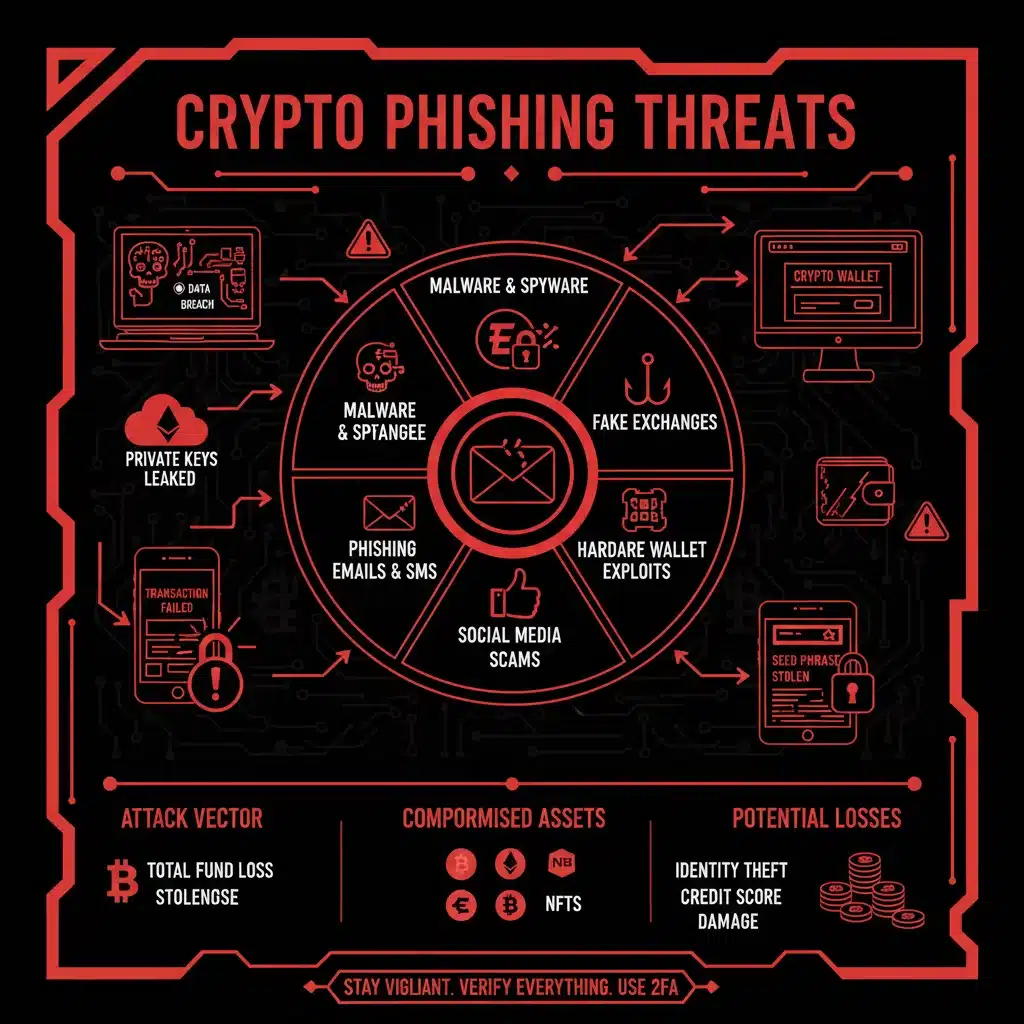
Phishing remains one of the most prevalent and effective attack vectors. However, in 2026, these attacks are far more refined. AI-powered deepfakes, highly personalized spear-phishing emails, and convincing fake websites are designed to trick even the most vigilant users into divulging private keys or approving malicious transactions. Understanding the nuances of these attacks and developing a critical eye is a cornerstone of Advanced Crypto Security.
Smart Contract Vulnerabilities and Exploits
DeFi (Decentralized Finance) has revolutionized financial services, but the complexity of smart contracts introduces new attack surfaces. Bugs in code, reentrancy attacks, flash loan exploits, and other vulnerabilities have led to billions in losses. For those engaging with DeFi, a basic understanding of smart contract security audits and the risks involved is crucial. This is a key component of Advanced Crypto Security for DeFi participants.
Supply Chain Attacks and Software Compromises
The software supply chain for crypto applications, wallets, and exchanges is another potential point of compromise. Malicious code injected into legitimate software updates or dependencies can grant attackers backdoor access to user funds. Verifying software integrity and using trusted sources are vital practices.
Quantum Computing Threats (Emerging)
While still largely theoretical for current cryptographic systems, the advent of quantum computing poses a long-term threat to the cryptographic algorithms underpinning many cryptocurrencies. While not an immediate concern for 2026, staying informed about post-quantum cryptography research is part of a forward-looking Advanced Crypto Security strategy.
Pillars of Advanced Crypto Security: Educational Strategies
Effective security is built on knowledge. Education empowers users to make informed decisions and implement protective measures proactively. Here, we outline the educational strategies that form the bedrock of Advanced Crypto Security.
Understanding Blockchain Fundamentals and Cryptography
A deep understanding of how blockchain technology works, including concepts like public-key cryptography, hash functions, and consensus mechanisms, provides a foundational understanding of why certain security practices are necessary. Knowing the difference between a public address and a private key, and the irreversible nature of blockchain transactions, is paramount. This foundational knowledge is essential for truly grasping Advanced Crypto Security.
Wallet Types and Their Security Implications
Not all crypto wallets are created equal. Understanding the differences between hot wallets (online, connected to the internet) and cold wallets (offline, hardware-based) is crucial. Each has its own risk profile and use case. Educational resources should clearly differentiate these, emphasizing the benefits of cold storage for significant holdings.
- Hot Wallets (e.g., Exchange Wallets, Software Wallets): Convenience comes at the cost of increased exposure to online threats. Best for small, frequently accessed amounts.
- Cold Wallets (e.g., Hardware Wallets, Paper Wallets): Offer superior security by keeping private keys offline. Ideal for long-term storage and large sums.
Demystifying Private Keys and Seed Phrases
The private key and seed phrase (or recovery phrase) are the absolute keys to your crypto assets. Losing them means losing your funds. Compromising them means losing your funds. Education must stress the critical importance of NEVER sharing these, backing them up securely, and understanding the risks associated with storing them digitally. This is arguably the most critical aspect of personal Advanced Crypto Security.
Recognizing and Avoiding Scams
Scammers are constantly adapting. Educational programs should provide up-to-date information on common scam types, including phishing, rug pulls, fake giveaways, investment scams, and romance scams. Learning to identify red flags, verify sources, and be skeptical of offers that seem too good to be true is vital for Advanced Crypto Security.
Secure Transaction Practices
Every transaction is a potential point of vulnerability. Educating users on how to double-check recipient addresses, understand transaction fees, and verify smart contract interactions before confirming is paramount. The ‘sign what you see’ principle is critical in DeFi interactions.
Practical Strategies for Fortifying Your Crypto Wallets
Beyond theoretical understanding, practical implementation of security measures is what truly protects your assets. This section focuses on actionable steps for robust wallet protection, integral to Advanced Crypto Security.
Hardware Wallets: The Gold Standard for Cold Storage
For any significant amount of cryptocurrency, a hardware wallet is non-negotiable. Devices like Ledger and Trezor keep your private keys offline, making them immune to online hacks. Transactions are signed on the device itself, providing an isolated environment for key operations. Regular firmware updates are also critical for maintaining their security.
When selecting a hardware wallet, consider:
- Reputation: Choose established brands with a proven track record.
- Security Features: Look for features like secure element chips, PIN protection, and recovery phrase verification.
- Ease of Use: While security is paramount, an intuitive interface helps prevent user errors.
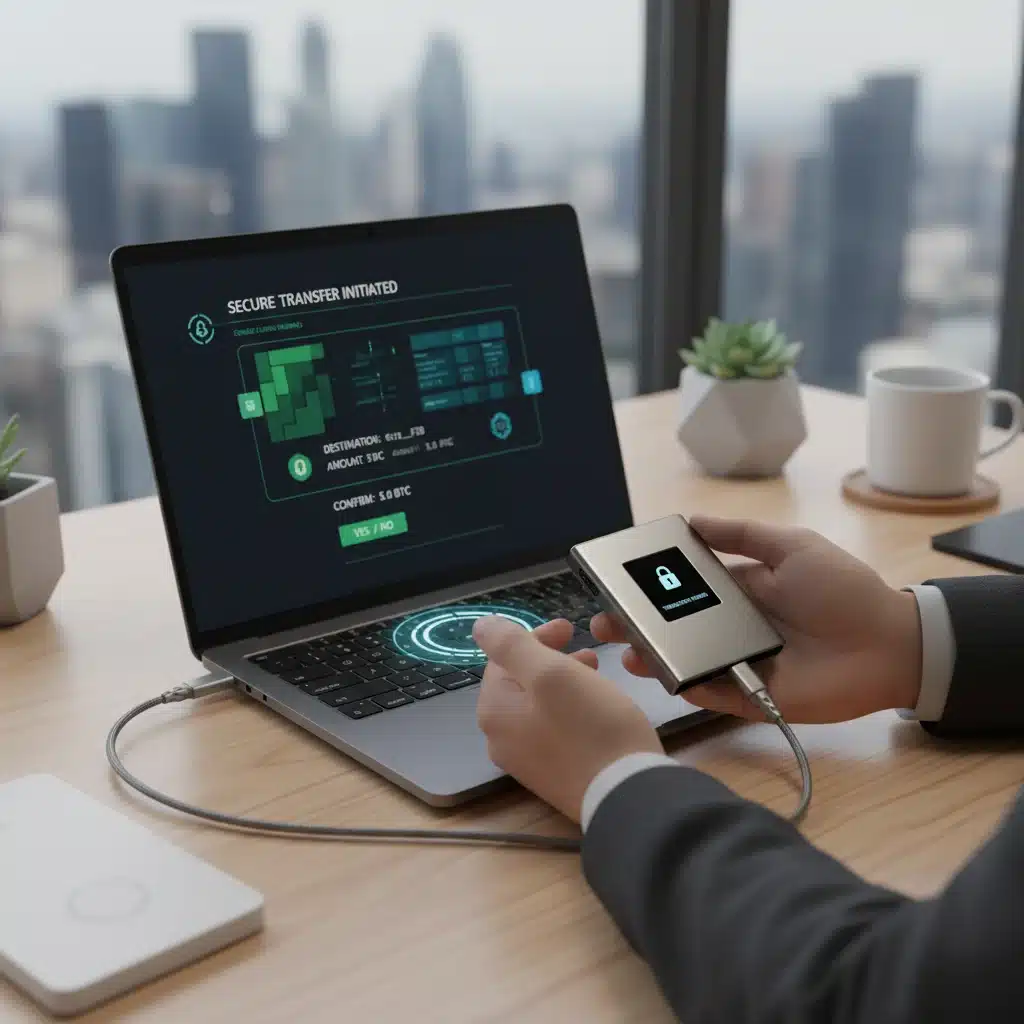
Multi-Signature (Multi-Sig) Wallets
Multi-sig wallets require multiple private keys to authorize a transaction. This adds an extra layer of security, especially for institutional holdings or shared funds. For example, a 2-of-3 multi-sig wallet would require at least two out of three designated key holders to approve a transaction. This distributed control significantly reduces the risk of a single point of failure and is a cornerstone of Advanced Crypto Security for collaborative or high-value asset management.
Secure Seed Phrase Management
Your seed phrase is your ultimate backup. Its secure storage is paramount. Consider:
- Physical Storage: Engraving on metal, waterproof and fireproof capsules, or secure safes. Avoid writing it on paper and leaving it exposed.
- Geographic Dispersion: Storing parts of your seed phrase in different secure locations to mitigate risks from localized disasters.
- Never Digitalize: Absolutely never store your seed phrase on any digital device, cloud service, or email.
Using Strong, Unique Passwords and Two-Factor Authentication (2FA)
While hardware wallets protect private keys, many online services (exchanges, hot wallets) still rely on traditional authentication. Use long, complex, and unique passwords for every crypto-related account. Implement 2FA using authenticator apps (like Authy or Google Authenticator) rather than SMS-based 2FA, which is more susceptible to SIM swap attacks. This foundational practice is integral to Advanced Crypto Security.
Regular Security Audits and Self-Assessment
Periodically review your security practices. Are your software wallets updated? Are your hardware wallets’ firmware current? Have you checked for any suspicious activity on your accounts? A proactive approach to security is a hallmark of Advanced Crypto Security.
Advanced Crypto Security for Transactions and Interactions
Securing your wallet is only half the battle. Protecting individual transactions and interactions within the crypto ecosystem requires a different set of strategies and vigilance.
Verifying Addresses and Smart Contracts
Before sending any cryptocurrency, always double-check the recipient address. Copy-pasting can be compromised by malware that swaps the address. For smart contract interactions, carefully review the permissions you are granting. Tools like Etherscan and similar block explorers can help verify contract addresses and transaction details.
Understanding Transaction Signatures
When interacting with dApps (decentralized applications), you will often be prompted to sign transactions. Understand what you are signing. A transaction signature approves a specific action, such as sending tokens or interacting with a smart contract. Malicious dApps might attempt to trick you into signing transactions that grant them unlimited access to your funds. Always ‘read’ the transaction signature carefully before approving.
Using Reputable Exchanges and Platforms
While the goal of crypto is decentralization, many users still rely on centralized exchanges. Choose exchanges with strong security track records, insurance funds, and robust KYC (Know Your Customer) and AML (Anti-Money Laundering) policies. Even then, avoid keeping large amounts of crypto on exchanges for extended periods. This is a critical aspect of Advanced Crypto Security for exchange users.
VPNs and Secure Network Practices
When accessing crypto platforms, especially on public Wi-Fi, use a Virtual Private Network (VPN) to encrypt your internet traffic. Ensure your home network is secure with a strong router password and up-to-date firmware. Avoid connecting to crypto accounts on compromised or untrusted devices.
Beware of Impersonation and Fake Support
Scammers frequently impersonate support staff from exchanges, wallets, or projects on social media platforms like Discord, Telegram, or X (formerly Twitter). They often offer help with non-existent issues or promise quick fixes, only to steal your information. Always use official support channels and never share your private keys or seed phrase with anyone, regardless of who they claim to be. This vigilance is a key part of Advanced Crypto Security.
Advanced Defensive Maneuvers for the Savvy Crypto User
For those seeking to truly master Advanced Crypto Security, here are some additional, more sophisticated strategies.
Air-Gapped Systems for Maximum Security
An air-gapped system is a computer or device that is never connected to the internet or any other network. This setup can be used to generate private keys, sign transactions, or manage seed phrases in an environment completely isolated from online threats. While more complex to set up, it offers the highest level of security for critical operations.
Understanding and Utilizing Timelocks and Vesting Contracts
For developers or those managing significant project funds, implementing timelocks and vesting contracts can add another layer of security. These smart contracts can lock funds for a specified period or release them gradually, preventing immediate large-scale theft even if a wallet is compromised. This is a powerful tool in Advanced Crypto Security for project management.
Decentralized Identifiers (DIDs) and Self-Sovereign Identity (SSI)
As the blockchain ecosystem matures, DIDs and SSI are emerging as ways to manage digital identities without relying on centralized authorities. While still in early stages, understanding their potential role in enhancing privacy and security for crypto interactions will be crucial in the coming years.
Honeypot Detection and Threat Intelligence
Staying informed about the latest attack vectors and vulnerabilities is crucial. Following reputable cybersecurity researchers, blockchain security firms, and intelligence feeds can provide early warnings about emerging threats, allowing you to adapt your Advanced Crypto Security posture accordingly.
Regularly Reviewing Token Approvals
When interacting with dApps, you often grant them permission to spend your tokens. These approvals can sometimes be unlimited, posing a risk if the dApp is later compromised. Regularly review and revoke unnecessary token approvals using tools like Etherscan’s Token Approvals feature or similar tools on other chains. This proactive management is a vital part of Advanced Crypto Security in the DeFi space.
The Human Element: The Strongest Link in Advanced Crypto Security
Ultimately, technology can only go so far. The human element remains the most critical factor in cryptocurrency security. Even the most sophisticated hardware wallet can be compromised if its owner falls for a social engineering trick or carelessly exposes their seed phrase. Therefore, continuous education and fostering a culture of vigilance are paramount.
- Skepticism as a Default: Always question unsolicited offers, urgent requests, and anything that seems too good to be true.
- Patience and Deliberation: Never rush into a transaction or decision. Take your time to verify every detail.
- Continuous Learning: The crypto space evolves rapidly, and so do the threats. Stay updated with the latest security best practices and news.
- Backup and Redundancy: Implement multiple layers of backup for your critical information, ensuring that a single point of failure doesn’t lead to total loss.
Conclusion: Embracing a Proactive Stance on Advanced Crypto Security
The journey into the world of cryptocurrency is exciting and full of potential. However, it demands a commitment to security that goes beyond basic measures. By adopting an educational mindset and implementing the Advanced Crypto Security strategies outlined in this guide, you can significantly mitigate risks and protect your digital assets effectively in 2026 and beyond.
Remember, security is not a one-time setup but an ongoing process. Stay informed, stay vigilant, and empower yourself with the knowledge to navigate the decentralized future with confidence. Your digital wealth depends on it.
By continuously refining your understanding of blockchain technology, staying abreast of evolving threats, and diligently applying best practices for wallet and transaction protection, you position yourself as a resilient and secure participant in the burgeoning digital economy. Advanced Crypto Security is not just about protecting your assets; it’s about securing your financial future in a rapidly changing world.
Author